How to Watch Body Cam Footage Like an Investigator
Body cam footage shows more than most viewers notice. Learn what investigators look for — timestamps, angles, audio gaps, and the moments that decide cases.

Body cam footage looks simple: press play, watch what happened. But investigators, prosecutors, and defense attorneys watch the same clip very differently than a casual viewer — and once you know what they look for, you'll never watch footage the same way again. (For the single most instructive worked example, see the Moab stop in the Gabby Petito case.)
Start with the metadata, not the action
Before anything happens on screen, the frame is already full of information:
- The timestamp. Not just the time of day — the gaps. If footage jumps from 22:14:31 to 22:16:05, something happened to the recording, and every lawyer in the case will ask why.
- The buffer period. Most body cameras save the 30–120 seconds before activation, video-only. A silent opening isn't a cover-up — it's how pre-event buffering works. What matters is when the officer chose to activate.
- The camera's mount point. Chest-mounted cameras sit below eye level and lose the picture in a struggle. What the camera "didn't see" is often physically explainable — and just as often, legally decisive.
Watch the first 10 seconds twice
The opening seconds of an encounter usually contain the legal heart of the case:
- The stated reason for contact. Courts weigh what the officer said the stop was for against what the records show.
- Tone and commands. Were commands clear and consistent, or contradictory ("Get on the ground!" / "Show me your hands!")? Contradictory commands become central in use-of-force reviews.
- Distance and positioning. Watch where people stand, not just what they say. Escalation usually shows up in feet and inches before it shows up in words.
Audio tells its own story
Turn the video off in your head and just listen:
- Radio traffic establishes what the officer knew — and when.
- Statements by bystanders captured on tape can corroborate or contradict later witness interviews.
- Post-incident narration ("He reached for my gun!") is scrutinized closely: was it said in the moment, or added after the fact for the record?
What footage can't tell you
Honest analysis means knowing the limits of the medium:
- A camera doesn't capture peripheral vision, and it doesn't feel fear, adrenaline, or fatigue. Courts evaluate an officer's decisions on what a reasonable officer would perceive — not on what a stabilized 1080p replay shows.
- Wide-angle lenses distort distance. Someone who looks ten feet away may be six.
- Frame rate hides fast movement. A hand motion that takes a third of a second may appear on only a handful of frames.
None of this means footage is unreliable — it means footage is one witness among several, with its own strengths and blind spots.
The questions to ask of any clip
Keep this checklist in mind next time a department releases footage:
- When was the camera activated, and what does the buffer show?
- Are there cuts, mutes, or redactions — and are they explained?
- Do the officer's real-time statements match the incident report?
- What do other cameras (partner units, dash cams, surveillance) show at the same timestamps?
That last one matters most. Cases rarely turn on a single camera. They turn on whether every recorded angle tells the same story — and on the channel, that's exactly how we break each case down.
The bottom line
Body cam footage is the closest thing modern cases have to a time machine, but it rewards a careful eye. Watch the metadata, listen separately from watching, and treat the camera as a witness with limits. The facts are usually in the frame — you just have to know where to look. And if you want more raw material, start with the documentaries built almost entirely from police footage.
Reported to our editorial standards: records first, charges reported as charges, corrections welcomed.
Frequently asked questions
Why is there no sound at the start of body cam footage?+
Most body cameras use pre-event buffering: the camera continuously records video only, and when the officer activates it, the previous 30–120 seconds are saved without audio. That's why many clips begin silent.
Can body cam footage be used as evidence in court?+
Yes. Body-worn camera footage is routinely admitted as evidence in criminal and civil cases, subject to authentication and the rules of evidence in that jurisdiction.
Why do departments release some footage and not others?+
Release rules vary by state. Some states treat footage as a public record with narrow exceptions; others give agencies broad discretion, especially during an open investigation.
Do officers control when body cameras record?+
Usually yes — officers activate them manually, though department policy dictates when activation is required. Some systems auto-activate when a weapon is drawn or a cruiser's lights turn on.
Stay On The Case
Get the next case file first
One email when a new case drops — footage, records, and the full breakdown.
Subscribe on YouTubeRelated case files
 Body Cam Breakdowns
True Crime Documentaries Built From Bodycam Footage: The Definitive List
No narrator, no reenactments — just the record. The documentaries and series built from real police bodycam footage, what each one shows, and where to stream them.
 Body Cam BreakdownsCASE CLOSED
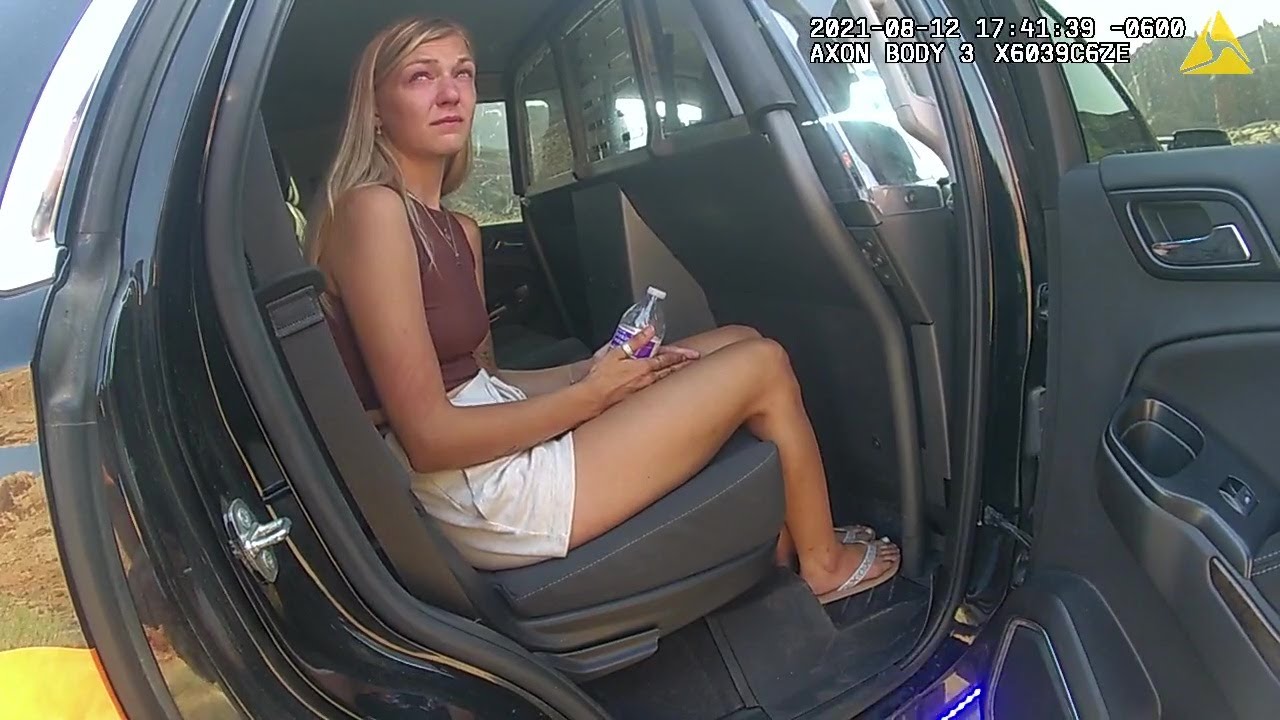
Gabby Petito: The Bodycam Stop That Became the Last Record
Twelve days before Gabby Petito vanished, Moab police stopped the van and the cameras rolled for over an hour. What the footage caught — and what it missed — the full case file.
 Body Cam BreakdownsCIVIL CITATION
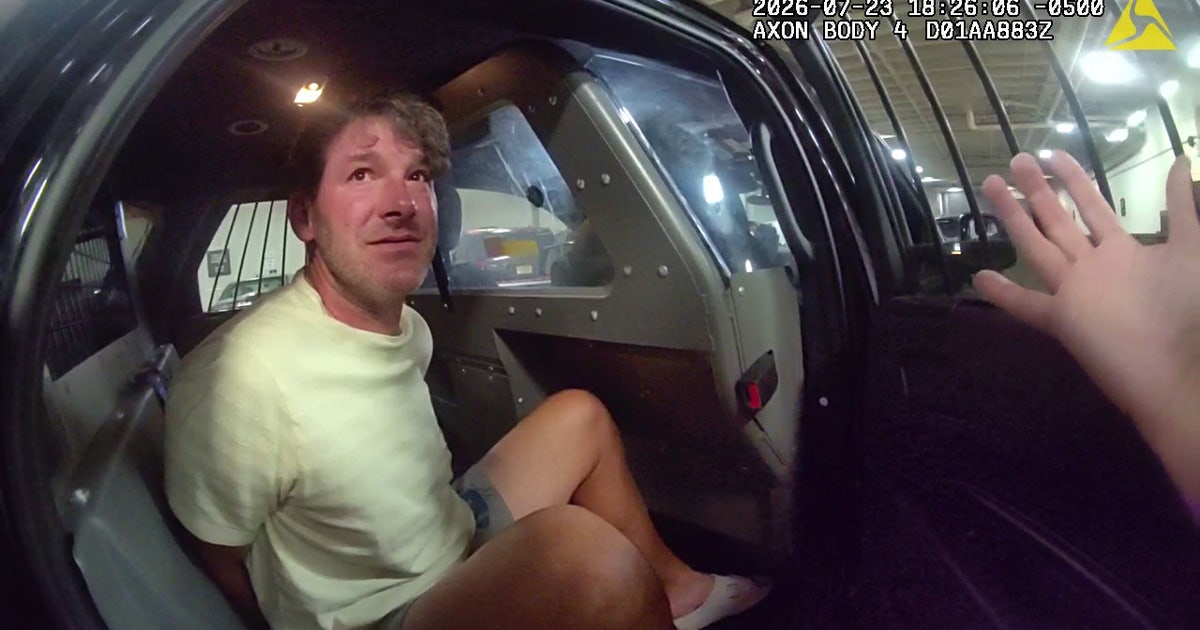
Tony Romo's Bodycam: What the OWI Arrest Footage Actually Shows
'I've already heard from all the lawyers.' The Milwaukee bodycam of the ex-Cowboys QB's OWI stop, broken down — the stop, the tests, the refusals, and why it isn't a criminal case.