True Crime Documentaries Built From Bodycam Footage: The Definitive List
No narrator, no reenactments — just the record. The documentaries and series built from real police bodycam footage, what each one shows, and where to stream them.
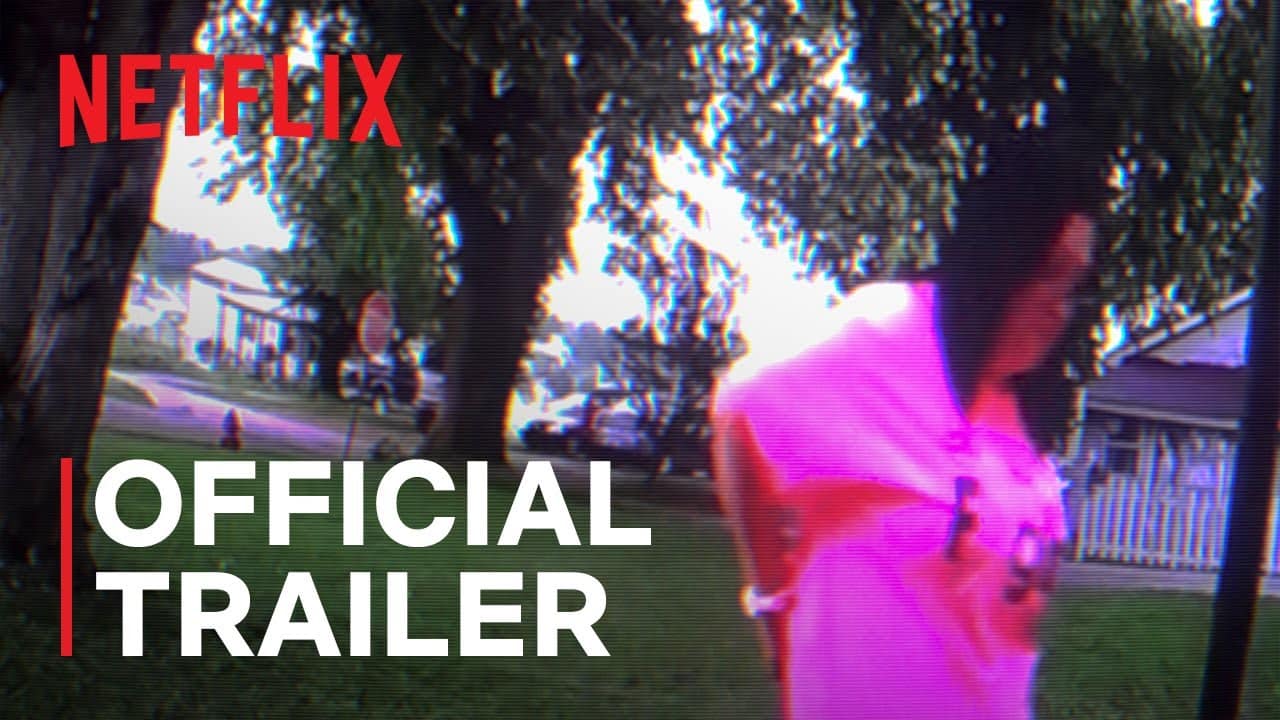
Most true crime is told about the record — a narrator summarizes, actors reenact, experts recall. A small and growing group of documentaries is told from the record: the bodycam is the narrator, and the footage is the film. For a channel built on exactly that kind of evidence, this is the list that matters.
Here's every documentary and series we know of that genuinely runs on police-recorded footage — what each one shows, the real case behind it, and where to stream it. (New to reading footage? Start with how to watch bodycam video like an investigator.)
The Perfect Neighbor (Netflix, 2025)
The standard-setter. Director Geeta Gandbhir assembled the killing of Ajike "AJ" Owens — shot through a front door in Ocala, Florida, in June 2023 after years of her neighbor's complaints against neighborhood children — almost entirely from police bodycam visits, 911 audio, and interrogation-room video. There is no narrator. The neighbors, the officers, and Susan Lorincz herself tell the story to the cameras that were already rolling.
It won the Directing Award at Sundance, swept five Critics Choice Documentary Awards including Best Documentary Feature, and earned an Oscar nomination. The case is closed: a jury convicted Lorincz of manslaughter with a firearm in August 2024, and she was sentenced that November to 25 years.
Why it works: the bodycam visits before the shooting are the film. You watch a fatal conflict assemble itself in ordinary welfare checks — the exact skill we practice in every breakdown.
Worst Neighbor Ever (Netflix, 2026)
The four-part Blumhouse series released July 1, 2026 mixes real bodycam recordings with survivor testimonials and animated reenactments — less purist than The Perfect Neighbor, but the footage segments are the spine of each episode, from a Kentucky doorstep shooting to a welfare check that caught an estate fraudster lying to officers in real time.
We've written the full case file behind every episode: the complete guide to all four cases, plus deep files on Frances Zaayer, the Richmond Hill explosion, Jamal Thomas, and Caroline Herrling. All four perpetrators were convicted.
Incident (The New Yorker, 2023)
The purest example on this list — and it's free. Bill Morrison's 30-minute short reconstructs the 2018 police shooting of Chicago barber Harith Augustus using nothing but bodycam, dashcam, surveillance, and police observation camera footage, synchronized in split screen so you watch the same seconds from multiple fixed points of view. No interviews, no narration; the film's argument is the disjuncture between what the cameras recorded and the account that followed. No officer was criminally charged in the shooting.
It was nominated for Best Documentary Short at the 97th Academy Awards and released free on The New Yorker's YouTube channel. If you want to understand why multiple camera angles matter more than any single clip, watch this twice.
Body Cam (Investigation Discovery, 2018–)
The long-running series that put the format on cable: each episode is built from real officer bodycam footage — pursuits, standoffs, rescues — with the involved officers narrating what you're seeing. It leans toward the law-enforcement perspective by design, which makes it a useful counterpoint to films like Incident: same medium, different storyteller. Streams on discovery+ and HBO Max, with a spin-off, Body Cam: On the Scene, in the same format.
Court Cam (A&E, 2019–)
Dan Abrams hosts the courtroom cousin: real closed-circuit courtroom video — outbursts, escape attempts, verdict reactions — with case context and the outcome of each clip. Nine seasons and counting. It's not bodycam, but it's the same discipline: public-record cameras catching the justice system unscripted.
Interrogation Raw (A&E, 2022–)
Entire cases told through real interrogation-room recordings, intercut with detectives explaining their strategy. It's the best companion piece to our guide on how police interrogations actually work — you can watch the techniques land in real time, and see the exact moments where cases are won, lost, or thrown out.
How to watch any of these like an analyst
The format rewards an active viewer. Three habits carry across every title on this list:
- Track the timestamps. Documentaries cut for pace; the record doesn't. When a film jumps time, ask what happened in the gap.
- Notice whose camera you're on. A bodycam tells the wearer's story by default. Incident makes that explicit; most series don't.
- Separate the footage from the framing. Real recordings can still be arranged into an argument. The clip is evidence; the sequence is editorial.
That's the discipline behind every case file on this site — and if a new footage-built documentary drops, this list gets updated.
Reported to our editorial standards: records first, charges reported as charges, corrections welcomed.
Frequently asked questions
What documentary is made entirely of bodycam footage?+
Netflix's 'The Perfect Neighbor' (2025) comes closest among features — it tells the killing of Ajike Owens almost entirely through police bodycam and interrogation footage, with no narrator. The Oscar-nominated short 'Incident' (2023) goes further, built exclusively from bodycam, dashcam, and surveillance video.
Is Worst Neighbor Ever made from real footage?+
Partly. Netflix describes the 2026 series as built from testimonials, startling body cam footage, and animated reenactments. The bodycam segments are real recordings from the four featured cases.
What shows are similar to The Perfect Neighbor?+
For the same police-footage-first approach, try 'Worst Neighbor Ever' (Netflix), 'Body Cam' (ID/HBO Max), 'Court Cam' (A&E), 'Interrogation Raw' (A&E), and the short film 'Incident' (free on The New Yorker's YouTube channel).
Where can I watch the documentary short 'Incident'?+
'Incident,' Bill Morrison's Oscar-nominated 30-minute reconstruction of the 2018 police shooting of Harith Augustus in Chicago, was released free on YouTube by The New Yorker.
Why do documentaries use bodycam footage instead of reenactments?+
Bodycam footage is primary evidence — it shows what was recorded, when, from a fixed point of view, without a filmmaker staging it. Directors like Geeta Gandbhir argue it removes the layer of interpretation a narrator or reenactment adds, though editing choices still shape the story.
Stay On The Case
Get the next case file first
One email when a new case drops — footage, records, and the full breakdown.
Subscribe on YouTubeRelated case files
 Body Cam Breakdowns
How to Watch Body Cam Footage Like an Investigator
Body cam footage shows more than most viewers notice. Learn what investigators look for — timestamps, angles, audio gaps, and the moments that decide cases.
Body Cam BreakdownsWorst Neighbor Ever Season 2: What We Know — and the 4 Real Cases That Should Be In It
Netflix hasn't announced Worst Neighbor Ever season 2 yet. Here's the renewal picture — and four fully verified neighbor-from-hell cases with the footage to carry it: a self-filmed shooting, a killing over a mattress, a Labor Day ambush, and the town that kept a secret for 45 years.
 Body Cam BreakdownsVERDICT: GUILTY
Jamal 'JT' Thomas: 22 Calls to Police, Then a Murder on Camera's Doorstep
An Oakland family called police again and again about the squatter next door. Then Miles Armstead was shot running for his life. The case behind Netflix's Worst Neighbor Ever — the full file.