Karen Read: Two Trials, One Body in the Snow, and a Not Guilty
Boston cop John O'Keefe died in a blizzard outside a fellow officer's house. Did his girlfriend hit him with her SUV — or was she framed? Two juries later, the answer. The full case file.
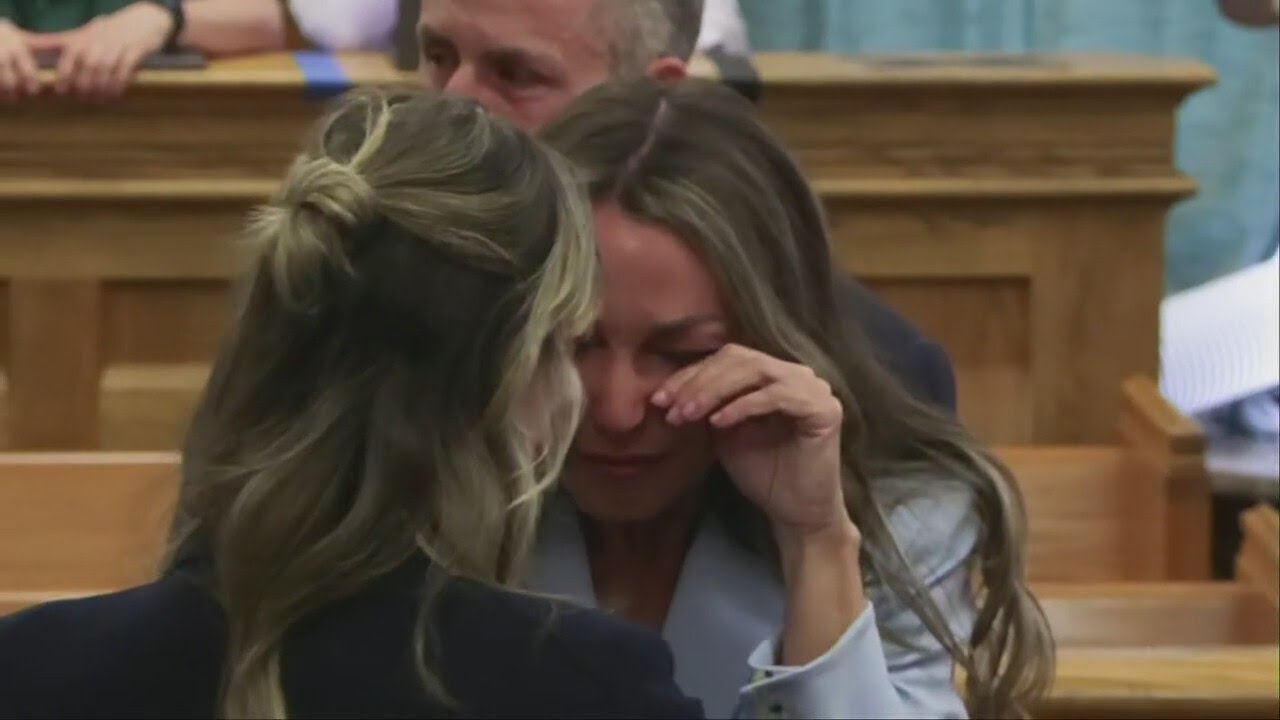
At 6:04 a.m. on January 29, 2022, in the middle of a New England blizzard, first responders in Canton, Massachusetts, were called to a lawn at 34 Fairview Road. In the snow they found John O'Keefe — a 46-year-old Boston police officer — unresponsive, hypothermic, with catastrophic head injuries. He was pronounced dead that morning.
Within hours, investigators had a suspect: the woman who found him, screaming, in the snow — his girlfriend, Karen Read. Within three years, her name would headline one of the most polarizing murder prosecutions in modern American history: two trials, a fired lead investigator, competing accident reconstructions, crowds in pink outside the courthouse, and a verdict watched live around the world.
The question at the center never changed: did Karen Read kill John O'Keefe — or did someone else, and the system closed ranks?
Background: the last night
O'Keefe, a 16-year veteran of the Boston Police Department, had spent the evening of January 28, 2022, drinking with Read at bars in Canton. The night ended with an invitation to an after-party at 34 Fairview Road — the home of Brett Albert, a fellow Boston police officer, with other law enforcement figures among the guests.
What happened in the driveway around 12:30 a.m. is the entire case.
The prosecution's version: Read, heavily intoxicated and angry, dropped O'Keefe off, put her Lexus SUV in reverse, struck him at roughly 24 miles per hour, and drove home — leaving him to die on the lawn as the blizzard buried him.
The defense's version: O'Keefe walked into that house. Something happened inside — a fight, a dog attack, or both — and his body was placed on the lawn afterward. Read never hit anyone. And because the house belonged to a cop and the party was full of cops, the investigation was never going to look inward.
Two juries would hear both stories. Neither would convict her of killing him.
The evidence: every piece cut both ways
What made this case a national obsession is that almost every major piece of physical evidence had two plausible readings.
The taillight
Read's SUV had a shattered right rear taillight, and fragments of red and clear plastic were recovered from the scene — for the state, the signature of an impact with a pedestrian. The defense's counter: the taillight was broken later that morning when Read clipped O'Keefe's parked car, and — more explosively — that fragments appeared at the scene only after Read's vehicle was in police custody. The timeline of when the pieces were found, across multiple searches of the same lawn, became a trial within the trial.
The injuries
O'Keefe died of blunt-force head trauma and hypothermia. But the state's own medical examiner testified his injuries were not classic pedestrian-strike injuries: no broken legs, no pelvic fractures, none of the lower-body damage a 6,000-pound SUV at speed usually inflicts. And then there were the parallel scratch wounds on his right arm — which the defense attributed to a dog, pointing to the German Shepherd that lived at 34 Fairview and was rehomed after the incident. The prosecution said the arm wounds came from the taillight breaking.
The data
- O'Keefe's phone logged its last movements and locked for the final time shortly after 12:32 a.m. — and, per defense experts, its battery temperature readings were consistent with the phone (and its owner) lying outside from that point on. The state agreed with the conclusion but not the implication: to prosecutors it proved he was struck at 12:32; to the defense it simply proved when the phone stopped moving.
- The Google search. Jennifer McCabe — a partygoer and the sister-in-law of the homeowner — had a search on her phone reading "hos long to die in cold." The defense said forensic artifacts showed it was made at 2:27 a.m., hours before the body was found — which, if true, meant someone knew O'Keefe was outside long before the 911 call. McCabe testified, under oath, that she made the search around 6:20 a.m. at Read's frantic request, and the state's experts attributed the earlier timestamp to a browser-tab artifact. Two digital forensics fights, one search bar.
- The "I hit him" statements. Multiple witnesses — including first responders — testified Read said some version of "I hit him" or "Did I hit him?" in the chaos of that morning. The defense framed it as the traumatized speculation of a woman finding her boyfriend dead in the snow; the state called it a confession.
The investigator
Then there was Massachusetts State Police Trooper Michael Proctor, the lead investigator — whose personal text messages, read aloud in court, did more damage to the prosecution than any defense witness. In group chats with friends and supervisors during the active investigation, Proctor mocked Read in crude and degrading terms, joked about going through her phone, and referred to hoping she'd take her own life. He also had social connections to the Albert family orbit.
Proctor was suspended after the first trial and fired by the State Police — a termination upheld on review in 2025. For the defense, he wasn't a flawed cop on a sound case; he was the proof of concept: this is what the investigation actually thought of the woman it was building a case against, and this is who it chose not to look at.
Trial one: the hung jury
The first trial, in Norfolk Superior Court in Dedham, ran nine weeks in mid-2024 and ended in mistrial — a jury that reported itself hopelessly deadlocked.
Then it got stranger. In the weeks after, multiple jurors came forward to say the panel had actually been unanimous for acquittal on the murder and leaving-the-scene charges, deadlocking only on manslaughter. Because the jury was never polled count-by-count, none of that was on the record — setting off a double-jeopardy battle that Read's lawyers took through the Massachusetts courts and toward the federal system, arguing she couldn't be retried on counts a jury had already agreed to acquit. The retrial went forward anyway.
Trial two: the verdict
The retrial opened in April 2025 with a new special prosecutor, Hank Brennan — a veteran defense attorney best known for representing Whitey Bulger — brought in to salvage the case. The state streamlined its presentation; the defense, led by Alan Jackson, doubled down: no collision, no crime, wrong house, wrong suspect.
The defense's accident reconstruction experts from the firm ARCCA — originally hired by federal investigators during a separate U.S. Attorney's review of the case, a review that itself signaled how troubled the prosecution had become — testified that the physical evidence was inconsistent with a vehicle strike: the taillight damage didn't match, the injuries didn't match, the physics didn't match.
On June 18, 2025, after roughly 21 hours of deliberation across four days, the jury returned:
Not guilty of second-degree murder. Not guilty of manslaughter while operating under the influence. Not guilty of leaving the scene of a collision causing death. Guilty of one charge: operating under the influence.
Sentence: one year of probation — the standard first-offense disposition, endorsed by the prosecutors themselves. Outside the Dedham courthouse, the crowd that had stood vigil in pink through two trials erupted. Read, in tears, embraced her lawyers. Three and a half years after the blizzard, the criminal case against her was over.
Days later, the jury foreman said publicly what the defense had argued for years: "Karen Read is innocent."
What the verdict did — and didn't — resolve
An acquittal answers the legal question — what verdicts do and don't mean, in plain terms — but it does not answer the factual one, and this case's factual question remains genuinely open:
- No one has ever been charged with any alternative account of O'Keefe's death. The defense's frame-up theory persuaded jurors there was reasonable doubt; no prosecutor has treated it as a roadmap. Prosecutors have also confirmed the separate federal investigation of the case is over, with no charges.
- The courtroom war didn't end — it multiplied. Three civil cases now run in parallel, detailed below.
- The institutional wreckage is real regardless of which story you believe: a lead investigator fired over his own texts, a state prosecution that lost nearly every count across two trials, a federal review that armed the defense with its best experts, and a town permanently divided over what happened inside — or outside — 34 Fairview Road.
The three-front legal war of 2026
The criminal case is over. What replaced it is bigger, in sheer attorney-hours, than either trial. As of late July 2026:
Front one: the O'Keefe family's wrongful-death suit
Filed against Read and the two bars that served the couple that night, this is the case that could still put the events of January 29 before a jury — on the civil standard of preponderance of the evidence, not beyond a reasonable doubt. Discovery is fully underway and enormous: roughly 22 attorneys involved (a number the judge has openly marveled at), and more than a dozen depositions scheduled through the summer of 2026, Read's included.
It has been contentious at every step. The judge has scolded lawyers on both sides — telling them at one hearing to "stop pandering to social media" amid fights over the Colin Albert deposition and leaked material, and admonishing attorneys on July 1 over the release of private information. In mid-July, Michael Proctor — the fired lead investigator — tried to push off his own deposition, arguing he is "at best" a fact witness in someone else's lawsuit. In this case, everyone the criminal trials made famous testifies again, under oath, with no Fifth Amendment shadow of a pending prosecution.
Front two: Read's federal civil-rights suit
In November 2025, Read went on offense: a federal lawsuit alleging a conspiracy to frame her, naming Massachusetts State Troopers Yuriy Bukhenik, Michael Proctor, and Brian Tully, plus members of the McCabe and Albert families and Brian Higgins. The defendants' answer, in motions filed since January: the suit is "classic retaliation against witnesses." The case had its first in-person hearing on July 14, 2026, with the McCabe and Albert defendants asking the judge to throw out parts of it. Every allegation in the suit is exactly that — an allegation, denied and untested.
Front three: the witnesses' defamation suit
The same names appear on the other side of the "v." too: Jennifer McCabe, Colin Albert, Brian Albert, and Brian Higgins are suing Read and blogger Aidan "Turtleboy" Kearney for defamation over years of public accusations. In July 2026, Read and Kearney both moved to dismiss under the Massachusetts anti-SLAPP statute — the law targeting suits designed to silence public participation. However it's decided, the ruling will draw a line with implications far beyond this case: how much can an acquitted defendant and her loudest supporters publicly accuse the people they believe did it?
We track every milestone across all three fronts in the court dates tracker.
The full timeline
- January 28, 2022 — Read and O'Keefe drink at bars in Canton; the night ends with an invitation to 34 Fairview Road.
- January 29, 2022, ~12:30 a.m. — O'Keefe's phone locks for the last time outside the house. What happened in those minutes is the entire case.
- January 29, 2022, 6:04 a.m. — O'Keefe is found unresponsive in the snow; pronounced dead that morning.
- February 1, 2022 — Read is arrested and charged; later indicted for second-degree murder.
- 2023 — Aidan "Turtleboy" Kearney's coverage turns the case into a national cause; the "Free Karen Read" movement grows.
- April–July 2024 — Trial one: nine weeks of testimony ends in a hung jury and mistrial. Jurors later say the panel was unanimous for acquittal on murder and leaving the scene.
- 2024–2025 — Proctor is suspended, then fired. A federal review of the investigation quietly arms the defense with the ARCCA reconstruction experts. Double-jeopardy challenges fail to stop the retrial.
- April–June 2025 — Trial two, with special prosecutor Hank Brennan. On June 18, 2025, the jury acquits on all homicide counts; guilty only of OUI. One year of probation.
- November 2025 — Read files her federal civil-rights suit against the troopers, the McCabes, the Alberts, and Higgins.
- 2026 — All three civil cases grind forward: wrongful-death discovery and depositions through the summer; the July 14 federal hearing; the anti-SLAPP fight in the defamation case. No civil trial dates are set.
Why this case file matters
Most cases we cover are about what recorded evidence proves. This one is about what happens when the record is contested at every layer — when the taillight, the phone data, the Google search, the injuries, and even the investigators themselves each come with two irreconcilable readings.
Two juries sat through all of it. The first couldn't agree. The second said not guilty. And John O'Keefe — a cop who spent his off-hours raising his late sister's two children — is still dead on a lawn in the snow, in a case where the only person ever tried for it walked out the front door of the courthouse.
The record is complete. The story isn't.
Case status as of this writing: acquitted of all homicide charges on June 18, 2025; convicted of OUI with one year of probation. No other person has been charged in O'Keefe's death. A wrongful-death civil suit by the O'Keefe family continued after the verdict. This article is based on trial testimony and evidence as presented in court, official statements, and contemporaneous reporting; all descriptions of the defense and prosecution theories are attributed as such. Photo: courtroom pool feed of the June 18, 2025 verdict.
Reported to our editorial standards: records first, charges reported as charges, corrections welcomed.
Frequently asked questions
What was Karen Read accused of?+
Prosecutors alleged that after a night of drinking in January 2022, Read struck her boyfriend, Boston police officer John O'Keefe, with her Lexus SUV while dropping him off at a house party in Canton, Massachusetts, and drove away, leaving him to die in a blizzard. She was charged with second-degree murder, manslaughter while operating under the influence, and leaving the scene.
What was the verdict in the Karen Read case?+
On June 18, 2025, after her first trial ended in a hung jury, a second jury acquitted Read of murder, manslaughter, and leaving the scene. She was convicted only of operating under the influence and sentenced to one year of probation.
What was the defense's frame-up theory?+
Read's lawyers argued she never hit O'Keefe at all — that he was injured inside the house at 34 Fairview Road, possibly in a fight, bitten by a dog, and left outside, with law enforcement connections among the partygoers shaping the investigation that followed. Prosecutors called the theory fiction; two juries heard it and neither convicted her of homicide.
What happened to Trooper Michael Proctor?+
The lead investigator's personal text messages about Read — crude, mocking, and shared with friends and colleagues during the investigation — became a centerpiece of the defense. Proctor was relieved of duty after the first trial and subsequently fired by the Massachusetts State Police, a dismissal upheld in 2025.
Why did the first Karen Read trial end in a mistrial?+
In July 2024, after nine weeks of testimony, the jury reported it was deadlocked and the judge declared a mistrial. Several jurors later indicated the panel had actually agreed she was not guilty of murder and leaving the scene, deadlocking only on the manslaughter count — which fueled a double-jeopardy fight before the retrial.
What is happening with the civil lawsuit against Karen Read?+
The O'Keefe family's wrongful-death suit against Read — which also names the two bars that served the couple — is in active discovery in 2026, with more than a dozen depositions scheduled through the summer and roughly 22 attorneys involved. Read herself has sat for deposition, the judge has admonished lawyers on both sides over leaks and 'pandering to social media,' and former trooper Michael Proctor sought to delay his own deposition in July 2026, calling himself 'at best' a fact witness. No civil trial date has been reached, and civil cases of this size routinely take years or settle.
Did Karen Read sue the police?+
Yes. In November 2025 Read filed a federal civil-rights lawsuit alleging a conspiracy to frame her for O'Keefe's death. It names Massachusetts State Troopers Yuriy Bukhenik, Michael Proctor, and Brian Tully, along with members of the McCabe and Albert families and Brian Higgins. The suit had its first in-person federal court hearing on July 14, 2026, where the McCabe and Albert defendants asked the judge to throw out parts of the case, calling it retaliation against witnesses. All defendants deny wrongdoing, and the allegations are unproven claims in pending litigation.
Who is suing Karen Read for defamation?+
Trial witnesses Jennifer McCabe, Colin Albert, Brian Albert, and Brian Higgins filed a defamation suit against Read and blogger Aidan 'Turtleboy' Kearney over statements accusing them of involvement in O'Keefe's death. In July 2026, Read and Kearney both moved to dismiss it under Massachusetts' anti-SLAPP law, arguing the suit targets protected speech. The court has not yet ruled.
Can Karen Read be tried again for John O'Keefe's death?+
No. The June 18, 2025 acquittals on murder, manslaughter, and leaving the scene are final — double jeopardy bars any retrial on those charges. The only remaining legal exposure is civil, where the standard is preponderance of the evidence and the penalty is money damages, not prison.
Stay On The Case
Get the next case file first
One email when a new case drops — footage, records, and the full breakdown.
Subscribe on YouTubeRelated case files
 Trials & VerdictsVERDICT: GUILTY
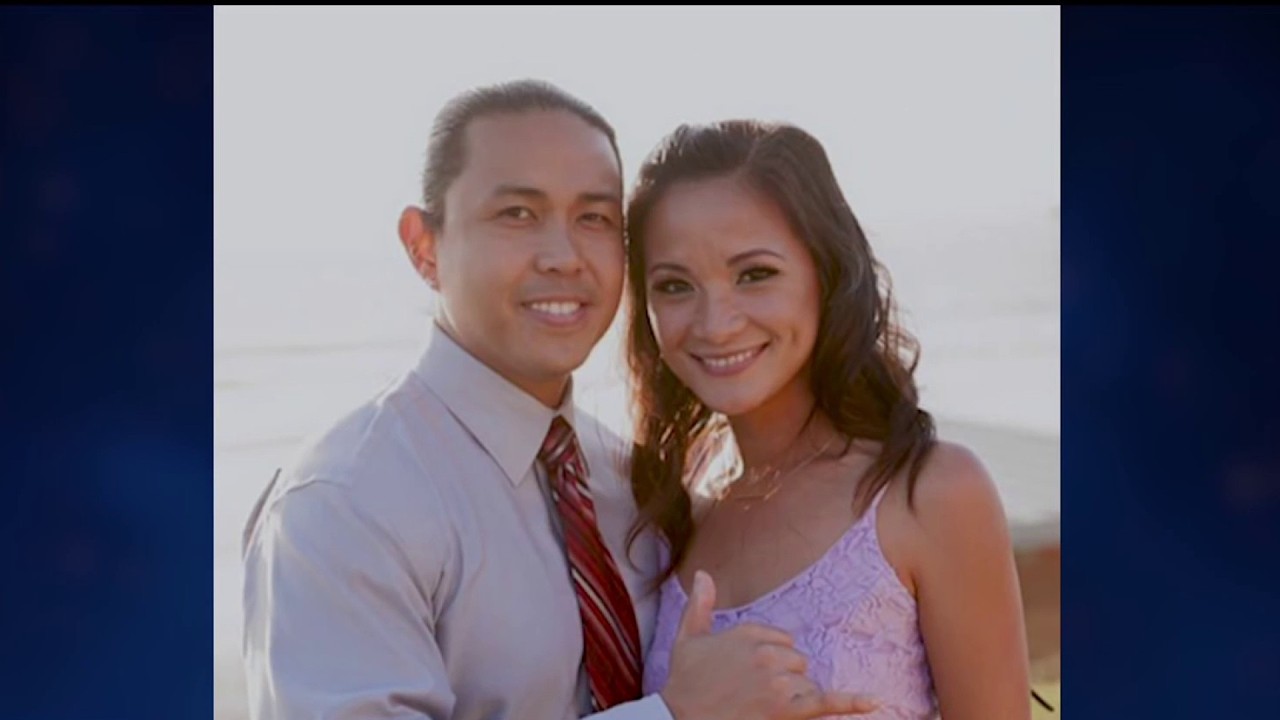
Larry Millete: Guilty of Murder — and Maya Has Never Been Found
Five years, no body, no crime scene, no weapon. On July 9, 2026, a San Diego jury needed less than five hours to call it murder anyway. The full case file.
 Trials & VerdictsVERDICT: NOT GUILTY
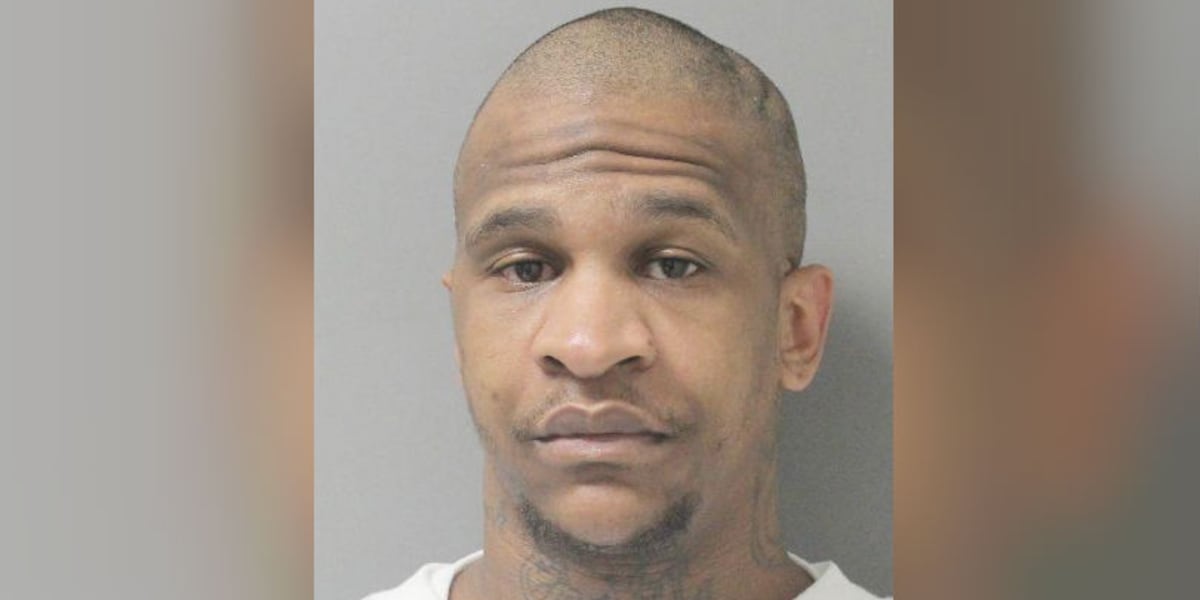
Quinton Tellis: Not Guilty in Louisiana — and What It Means for the Jessica Chambers Case
Twice tried for burning Jessica Chambers alive, twice a hung jury. On July 23, 2026, a Louisiana judge acquitted him of a second killing entirely. One day later, a new charge. The full file.
 Trials & VerdictsON TRIAL
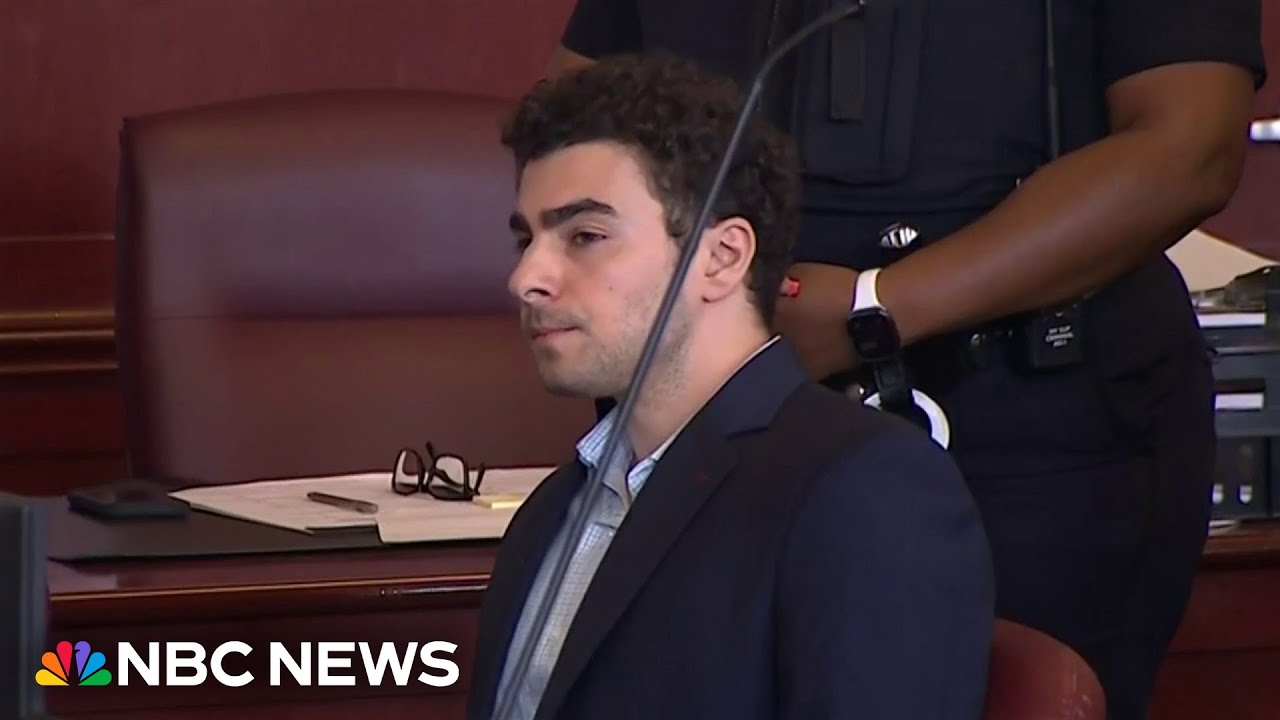
Luigi Mangione's Two Trials: Why One Killing Gets a State Case and a Federal Case
A state murder trial in September. A federal stalking trial in January. How one Manhattan killing became two prosecutions — the charges, the dates, and what each one carries.