Tony Romo's Bodycam: What the OWI Arrest Footage Actually Shows
'I've already heard from all the lawyers.' The Milwaukee bodycam of the ex-Cowboys QB's OWI stop, broken down — the stop, the tests, the refusals, and why it isn't a criminal case.
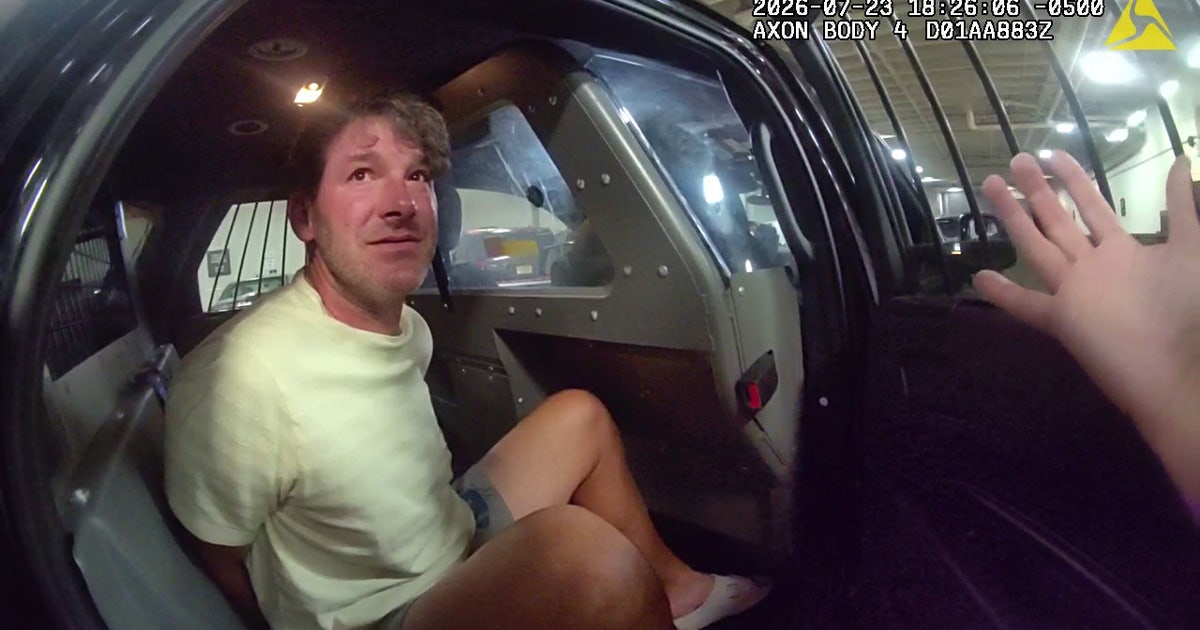
The most-watched piece of body camera footage in America this week isn't from a murder case. It's a traffic stop at a Milwaukee freeway interchange, and the man doing the field sobriety test is one of the most famous quarterbacks of his generation.
On July 23, 2026, shortly after 6 p.m., a Milwaukee County Sheriff's deputy stopped Tony Romo — 14-year Dallas Cowboy, now CBS's lead NFL analyst — near the Marquette Interchange for unsafe passing on the right, cutting across the gore point during rush hour. On July 28, the sheriff's office released the bodycam. Within hours it was everywhere.
Here's what the footage actually shows — and what the coverage keeps getting wrong about what happens next.
The stop: golf, grandparents, and a gore point
The deputy's opening is standard traffic-stop procedure: where are you coming from, where are you headed. Romo's answers, on camera: he'd just left a golf course where he was playing in a "USGA tournament," and he was on his way to see his grandparents.
What elevates the stop is what deputies say they observed from there. Per the reports accompanying the footage: "shooters" — miniature liquor bottles — in a backpack in the vehicle, and an open bottle of alcohol in the car. Those observations turned a lane-violation stop into an OWI investigation.
The tests: "There's too many instructions"
Romo was taken to the Milwaukee County Jail sally port for standardized field sobriety testing, and the footage there is the part everyone's quoting:
- The horizontal gaze test. Romo has visible trouble following the instructions — asking repeatedly for clarification, moving his head when told to hold it still.
- The walk-and-turn. "There's too many [instructions]. We got to go step by step," he tells the deputy. He also raises his history of back surgeries as a reason the physical tests are hard for him — a common and sometimes legitimate complication in field sobriety testing, which is one reason these tests are scored on standardized clues rather than pass/fail vibes.
- The refusals. Throughout the footage, Romo repeatedly asks for his attorney and declines testing, including the preliminary breath test: "I've already heard from all the lawyers. Don't ever do that."
The arrest detention report's bottom line: taken into custody after performing poorly on the standardized field sobriety tests.
The part everyone gets wrong: this isn't a criminal case
The headlines say "arrest," and it was one. But the Milwaukee County District Attorney's office has said the matter was determined to be a traffic violation, not a criminal charge — because in Wisconsin, uniquely among all fifty states, a standard first-offense OWI is a civil citation, not a crime. No jail exposure, no criminal record from the citation itself; the penalties run to forfeitures, license revocation, and alcohol assessment.
Two wrinkles worth understanding from the footage:
- The refusal has its own price. Wisconsin's implied-consent law means refusing a required post-arrest chemical test triggers license-revocation consequences that can outlast the OWI penalty itself. "Talk to my lawyer first" is a rational instinct — but under implied consent, the refusal is an event with consequences, not a neutral pause.
- First offense is a status, not a description. Everything above applies only because there are no priors and no aggravating factors alleged — no minor in the vehicle, no injury. Any of those would have made this a criminal file.
Why this footage matters beyond the celebrity
Strip out the famous face and this is the most instructive kind of bodycam: a completely ordinary OWI stop, run by the book, on a subject who knows his rights and uses them. You can see the whole architecture of an impaired-driving investigation in twenty minutes — the pretext-free traffic basis, the plain-view observations that expand the stop, the standardized clues being scored, the implied-consent warnings — the same machinery that runs on thousands of anonymous drivers every weekend.
For the frame-by-frame method we use on footage like this, see how to read body cam footage.
Sources & records
- FOX6 Milwaukee: the released bodycam video
- TMJ4: detention report and search details
- CBS Texas: open container and vehicle search reporting
- NBC Sports: DA statement that the case is a traffic violation
Case status as of this writing: cited for first-offense OWI, which the Milwaukee County DA's office has described as a traffic violation, not a criminal charge; the citation is a pending allegation, and Romo is entitled to contest it. This article is based on the released body camera footage, the arrest detention report as described in contemporaneous reporting, and official statements. Photo: frame from Milwaukee County Sheriff's Office body camera footage (public record).
Reported to our editorial standards: records first, charges reported as charges, corrections welcomed.
Frequently asked questions
Was Tony Romo arrested?+
Yes. On July 23, 2026, a Milwaukee County Sheriff's deputy stopped the former Cowboys quarterback and CBS analyst near the Marquette Interchange during evening rush hour and took him into custody on suspicion of operating while intoxicated after deputies said he performed poorly on field sobriety tests. Bodycam footage of the stop was released on July 28.
What was Tony Romo charged with?+
He was cited for OWI, first offense. A Milwaukee County District Attorney's spokesperson said the matter was determined to be a traffic violation, not a criminal charge — in Wisconsin, a first-offense OWI with no aggravating factors is a civil citation, unlike in most states.
Is a first OWI a crime in Wisconsin?+
Generally no — Wisconsin is the only state where a standard first-offense OWI is a civil infraction rather than a crime, punishable by a forfeiture, license revocation, and an ignition interlock in some cases, but not jail. It becomes criminal with a prior offense, a minor in the car, injury, or other aggravating factors.
Did Tony Romo refuse the breathalyzer?+
The bodycam shows him declining the preliminary breath test and other testing, telling the deputy, 'I've already heard from all the lawyers. Don't ever do that.' Under Wisconsin's implied-consent law, refusing a required chemical test after arrest carries its own license-revocation consequences, which can run longer than the OWI penalty itself.
What did police find in Tony Romo's car?+
Deputies reported finding 'shooters' — miniature liquor bottles — in a backpack in the vehicle, and police said there was an open bottle of alcohol in the car. Those are the officers' reported observations from the stop.
Why was Tony Romo pulled over?+
The deputy's stated reason was unsafe passing on the right — cutting across the gore, the striped no-drive zone where a ramp splits from the freeway — at the Marquette Interchange shortly after 6 p.m. Romo told the deputy he was coming from a golf course where he'd been playing in a USGA tournament and was on his way to see his grandparents.
Stay On The Case
Get the next case file first
One email when a new case drops — footage, records, and the full breakdown.
Subscribe on YouTubeRelated case files
 Body Cam Breakdowns
True Crime Documentaries Built From Bodycam Footage: The Definitive List
No narrator, no reenactments — just the record. The documentaries and series built from real police bodycam footage, what each one shows, and where to stream them.
 Body Cam Breakdowns
How to Watch Body Cam Footage Like an Investigator
Body cam footage shows more than most viewers notice. Learn what investigators look for — timestamps, angles, audio gaps, and the moments that decide cases.
 Body Cam BreakdownsCASE CLOSED
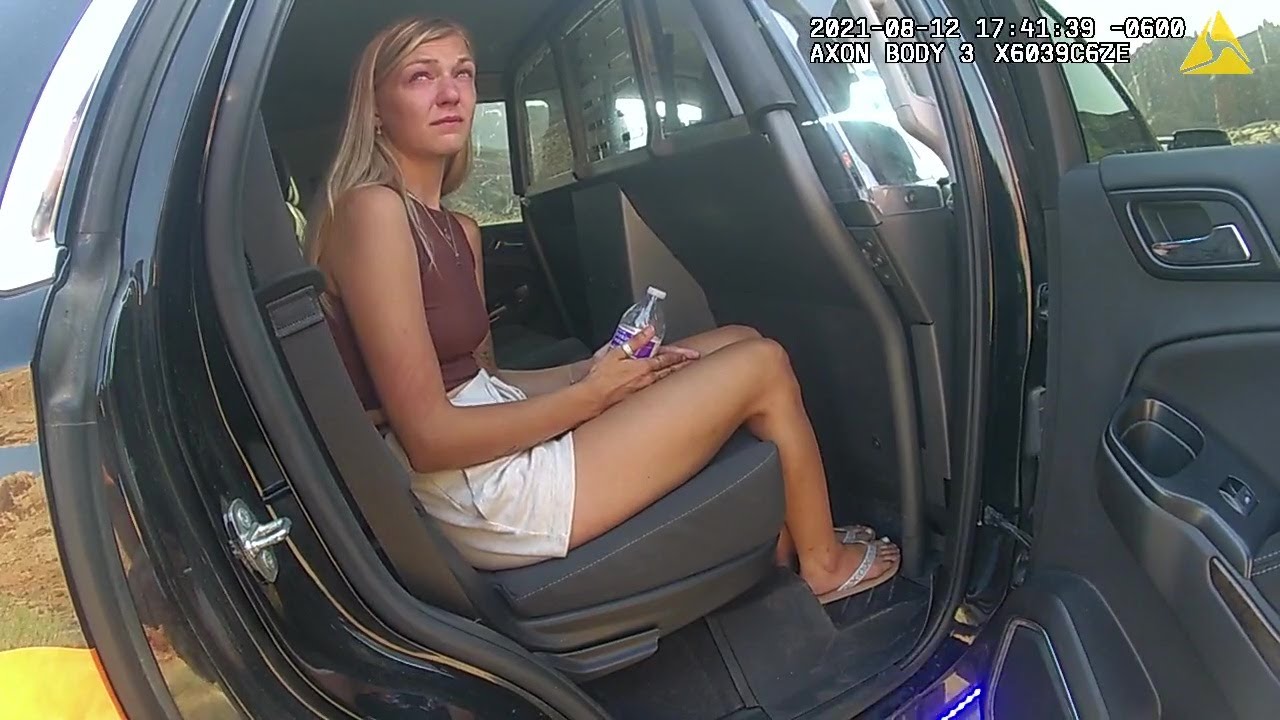
Gabby Petito: The Bodycam Stop That Became the Last Record
Twelve days before Gabby Petito vanished, Moab police stopped the van and the cameras rolled for over an hour. What the footage caught — and what it missed — the full case file.