How Police Interrogations Actually Work
Miranda rights, the Reid technique, recorded confessions, and why innocent people sometimes confess — the real mechanics behind the interrogation room.

The interrogation room is where cases are made — and sometimes where they fall apart. If you've watched interrogation footage on the channel, you've seen the techniques in action, even if you didn't know their names. Here's the machinery behind the mirror.
Interview vs. interrogation
Police draw a sharp line between the two:
- An interview gathers information. It's non-accusatory, often voluntary, and can happen anywhere — a doorstep, a hospital, a squad car.
- An interrogation seeks an admission. It's accusatory by design, and it usually begins only after investigators believe they're talking to the person who did it.
Watch enough footage and you can spot the pivot — the moment questions stop exploring and start confronting. That pivot matters legally, because it's where rights attach.
Miranda: what it does and doesn't do
Miranda v. Arizona (1966) requires warnings before custodial interrogation — questioning of someone who isn't free to leave. Two misconceptions do a lot of damage:
- "They didn't read me my rights at arrest, so the case is dismissed." No — Miranda governs questioning, not arrest. No questions, no warning needed, and the case proceeds.
- "Talking always helps clear things up." The warning exists precisely because it usually doesn't. Anything said will be used — that part of the script is literal.
Invoking rights must be unambiguous. Courts have held that "maybe I should get a lawyer" isn't a clear invocation; "I want a lawyer" is — and questioning must stop.
The Reid technique: the classic playbook
For decades, the dominant U.S. interrogation method has been the Reid technique: isolate the suspect, present certainty of guilt, cut off denials, and offer a minimized story ("It wasn't planned, right? It just happened") that makes admitting feel survivable.
It gets confessions. The controversy is which confessions:
- Minimization implies leniency without promising it — courts allow it, psychologists warn it distorts the innocent's cost-benefit math.
- Long sessions wear anyone down. Documented false confessions commonly follow interrogations lasting six hours or more.
- Vulnerable suspects — juveniles, exhausted people, people with cognitive impairments — are dramatically overrepresented in proven false-confession cases.
That's why several agencies and some countries have moved toward PEACE-style methods: open-ended, non-confrontational interviewing focused on gathering an account and testing it against evidence rather than extracting an admission.
Why innocent people confess
It sounds impossible until you watch it happen. The documented drivers:
- Escape. After hours in a small room, "just tell us and you can go home" reads as a real offer.
- Contamination. Investigators reveal case details; the suspect repeats them back; the confession suddenly contains facts "only the killer would know."
- Internalization. In rare cases, suspects confronted with fabricated certainty begin doubting their own memory.
DNA exoneration data has made this concrete: false confessions appear in roughly a quarter of proven wrongful convictions. It's one of the strongest arguments for the full-recording requirements spreading across the states — the tape shows not just that someone confessed, but how.
What to watch for in interrogation footage
A viewer's checklist, the same one we use in breakdowns:
- The clock. How long has the session run? Breaks? Food, water, sleep?
- Who introduces the key facts — the suspect, or the detectives?
- Minimization language. Listen for the softened story being offered as an exit.
- Invocations. Did the suspect ask for a lawyer or to stop? What happened next?
- The recording itself. Does it start before the warnings, or only at the confession?
The bottom line
An interrogation is a designed environment with one purpose. That doesn't make every confession false — most aren't — but it means a confession is a piece of evidence to be tested like any other: against the footage, the forensics, and the timeline. Whether statements were voluntary can decide a case years later — it's a central ground in Richard Allen's Delphi appeal. When the tape and the facts agree, cases get solved. When they don't, the interrogation room is usually where the story unravels.
Reported to our editorial standards: records first, charges reported as charges, corrections welcomed.
Frequently asked questions
Can police lie to you during an interrogation?+
In most U.S. jurisdictions, yes — courts have generally allowed deception about evidence during adult interrogations, though several states now restrict lying to minors. Fabricated documents and threats or promises about sentencing cross legal lines.
Do police have to read Miranda rights immediately at arrest?+
No. Miranda warnings are required before custodial interrogation — questioning while in custody. If police don't question a suspect, no warning is required, and statements volunteered without questioning are still usable.
What happens if Miranda rights aren't read?+
Statements from un-Mirandized custodial questioning are generally inadmissible in the prosecution's main case, but the arrest itself remains valid and other evidence can still be used.
Why would an innocent person confess?+
Documented false confessions cluster around long interrogations, sleep deprivation, youth or cognitive impairment, and minimization tactics that make confessing feel like the fastest way out. False confessions have appeared in roughly a quarter of DNA exonerations.
Are interrogations recorded?+
Increasingly yes — a majority of states now require recording custodial interrogations in serious felony cases, and many departments record all of them.
Stay On The Case
Get the next case file first
One email when a new case drops — footage, records, and the full breakdown.
Subscribe on YouTubeRelated case files
 Body Cam BreakdownsCIVIL CITATION
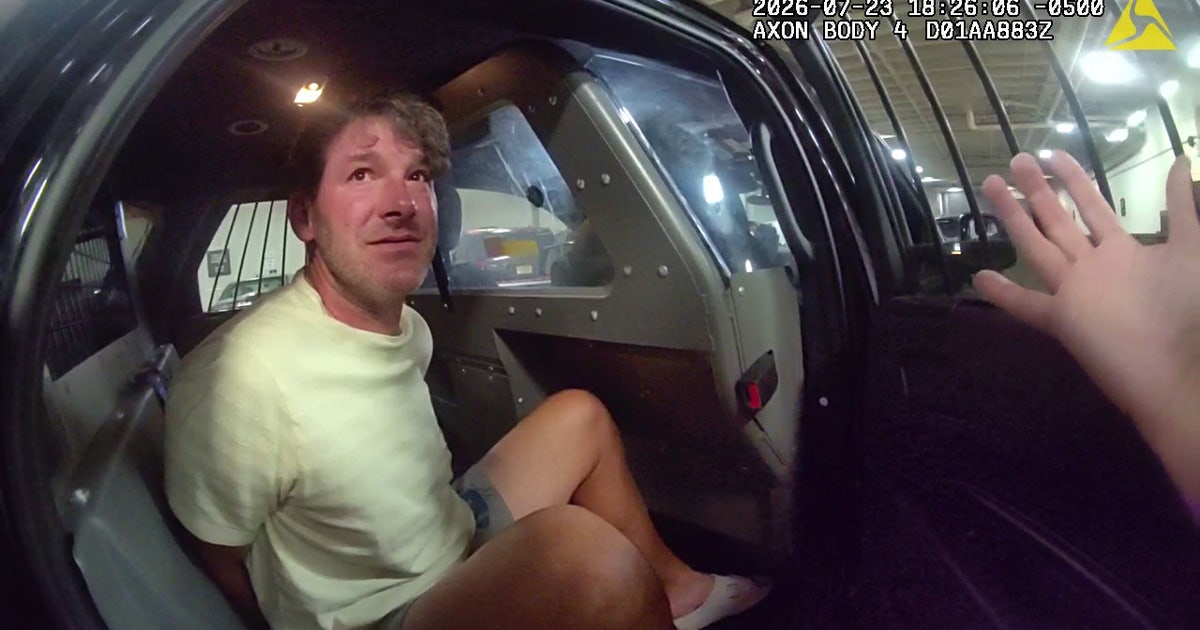
Tony Romo's Bodycam: What the OWI Arrest Footage Actually Shows
'I've already heard from all the lawyers.' The Milwaukee bodycam of the ex-Cowboys QB's OWI stop, broken down — the stop, the tests, the refusals, and why it isn't a criminal case.
 Trials & Verdicts
What Actually Happens at an Appeal Hearing (It's Not a Retrial)
No jury, no witnesses, no new evidence — just judges, lawyers, and hard questions. What a criminal appeal oral argument really is, and how to watch one intelligently.
 Body Cam Breakdowns
True Crime Documentaries Built From Bodycam Footage: The Definitive List
No narrator, no reenactments — just the record. The documentaries and series built from real police bodycam footage, what each one shows, and where to stream them.