Jamal 'JT' Thomas: 22 Calls to Police, Then a Murder on Camera's Doorstep
An Oakland family called police again and again about the squatter next door. Then Miles Armstead was shot running for his life. The case behind Netflix's Worst Neighbor Ever — the full file.
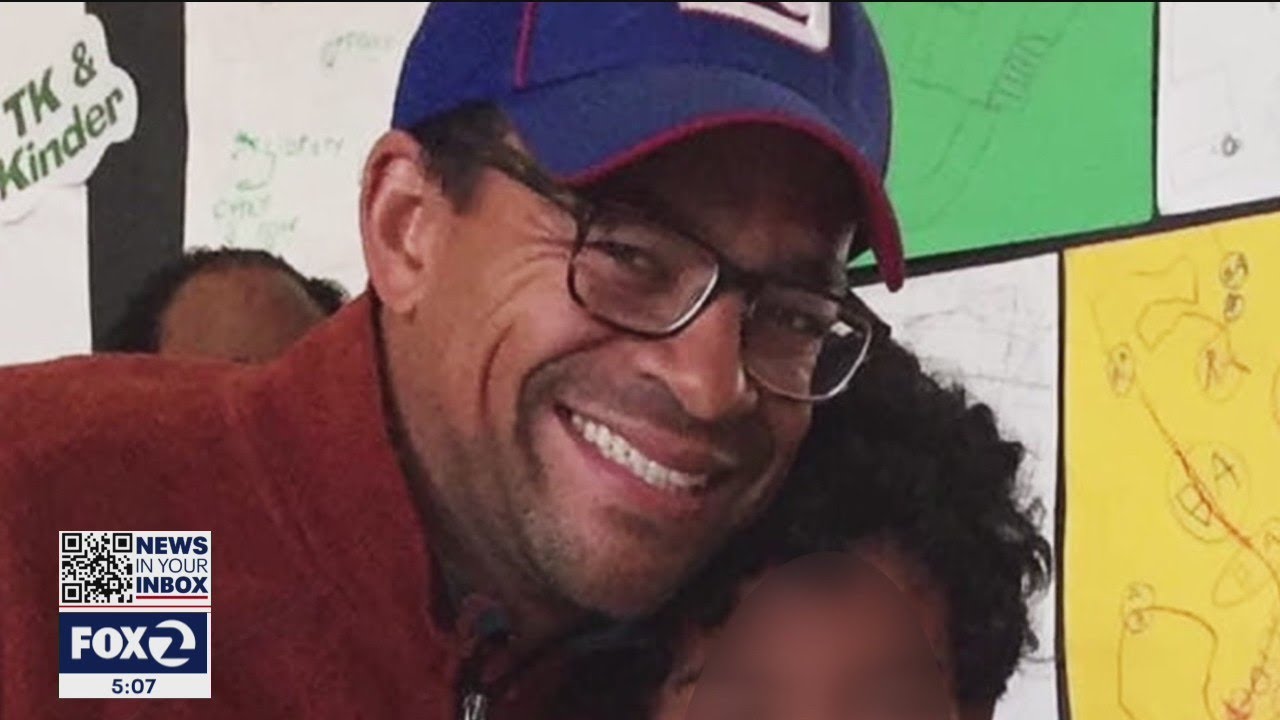
By the spring of 2020, Miles Armstead slept in shifts. The 47-year-old banker kept a baseball bat beside him at night; neighbors in Oakland's Eastmont Hills took turns on informal stakeouts. The threat wasn't a stranger. It lived next door, in a house it no longer had any right to occupy — and everyone, including the police, knew its name.
On May 1, 2020, Miles came back to the house he'd already decided to sell, to do yard work before putting it on the market. He never left. And the story of how a neighborhood dispute was allowed to end that way is now Episode 3 of Netflix's Worst Neighbor Ever — a series built on exactly the kind of footage this channel exists to examine.
Background: the dream house on the hill
Miles and Melina Armstead bought into Eastmont Hills in October 2017 — a blended family of six, settling into a neighborhood of longtime homeowners. Next door lived the Thomas family, including their adult son Jamal Thomas, known as JT. At first, by the family's account, relations were friendly; Miles and JT got along.
That ended in August 2019, when the Thomas family was evicted. His relatives moved on. JT didn't. He stayed behind in the empty house — a squatter now — and something turned.
The escalation: bricks, broken glass, and a bat by the bed
The harassment started around Thanksgiving 2019, with pounding on the Armsteads' door at night. By December 2019 it was projectiles: a rock crashed through a window and injured Melina. Bricks followed — one nearly struck Miles in the head. The family's windows went boarded; the harassment didn't stop.
The Armsteads did what every official voice tells you to do: they documented, and they called the police. In the Netflix episode, the family counts at least 22 calls to Oakland police. Their account of what those calls bought them is the quiet indictment at the center of the case — response times that grew longer, officers who did less, a file that got thicker while nothing changed on the street.
That's why this case belongs in the body-cam era's ledger. The footage that exists from those months isn't of a crime in progress. It's of a system responding to one in slow motion: the reports taken, the warnings given, the cars pulling away — a recorded archive of every chance there was to stop what happened next.
Miles made the only rational move left: he decided to sell the house.
May 1, 2020
He was doing landscaping that day, getting the property ready for market. According to Alameda County prosecutors, JT Thomas confronted him with a gun — and Miles ran. The evidence showed he was shot while running away. A neighbor, Jose Sanchez, witnessed it.
Miles Armstead was 47. He had three children at home, and his wife was pregnant with their fourth — a daughter, Ava, born that July, two months after her father was killed.
The trial: one day of deliberation
It took more than four years for the case to reach a jury — and then almost no time at all. On July 17, 2024, jurors deliberated for a single day before convicting Thomas, also 47 by then, of:
- First-degree murder, with a gun enhancement
- Assault with a deadly weapon
- Possession of a firearm by a felon, with priors
In April 2025, a judge sentenced him to life in prison with the possibility of parole after 28 years and 8 months.
The civil case: what 22 calls were worth
Melina Armstead's fight didn't end with the verdict. In 2021 she sued the City of Oakland and Alameda County, laying out in detail the months of pleas for help that preceded her husband's death. The suit ended in a $2.4 million settlement — a number that functions, in effect, as the price a city put on 22 unanswered warnings.
No settlement rebuilds the family. But as a public record, the civil case matters: it converted the Armsteads' private ordeal into a documented, dollar-figured admission that the safety net had holes in it long before May 1, 2020.
The documentary
Worst Neighbor Ever (Netflix/Blumhouse, released July 1, 2026) tells the story in Episode 3, "Fear Thy Neighbor," through the family's interviews, home recordings, and the police-footage record of those months. It sits alongside three other cases in the series — our full breakdown of all four is here.
Why this case file matters
Most cases on this channel turn on what a camera caught in a few critical seconds. This one turns on what cameras caught over six months — and what nobody did about it. The record was all there before the murder: the calls, the reports, the broken glass, the boarded windows. The footage didn't fail. The follow-through did.
That's the uncomfortable question the Armstead case leaves behind, and no verdict answers it: when the documentation is perfect and the response still isn't, what exactly is the record for?
Case status as of this writing: Jamal Thomas was convicted on all counts on July 17, 2024, and sentenced in April 2025 to life with the possibility of parole after 28 years and 8 months; the Armstead family's civil suit against the City of Oakland and Alameda County settled for $2.4 million. This article is based on trial evidence as described in court, public records, and contemporaneous reporting. Photo: Miles Armstead, in a family photo aired in KTVU Fox 2 news coverage of the case.
Reported to our editorial standards: records first, charges reported as charges, corrections welcomed.
Frequently asked questions
What did Jamal 'JT' Thomas do?+
After his family was evicted from their East Oakland home in 2019, Thomas stayed behind as a squatter and waged a months-long harassment campaign against the family next door — banging on doors at night, hurling bricks and rocks through windows, one of which injured Melina Armstead. On May 1, 2020, he shot and killed Miles Armstead, who prosecutors said was running away when he was hit.
Where is Jamal Thomas now?+
He is in a California state prison. A jury convicted him on July 17, 2024, of first-degree murder, assault with a deadly weapon, and being a felon in possession of a firearm, with a gun enhancement. In April 2025 a judge sentenced him to life with the possibility of parole after 28 years and 8 months.
How many times did the Armsteads call the police before the murder?+
In Netflix's 'Worst Neighbor Ever,' the family says they called Oakland police at least 22 times as the harassment escalated — and that responses came slower, and did less, each time. Melina Armstead later sued the City of Oakland and Alameda County over those failures and received a $2.4 million settlement.
What happened to Melina Armstead?+
Melina was pregnant when her husband was killed; their daughter Ava was born two months later, in July 2020. She pursued a civil suit against the City of Oakland and Alameda County officials over the ignored pleas for help, which resulted in a $2.4 million settlement, and she tells the family's story in the Netflix episode.
Which episode of Worst Neighbor Ever covers the Jamal Thomas case?+
Episode 3, 'Fear Thy Neighbor,' of the Netflix/Blumhouse docuseries 'Worst Neighbor Ever' (released July 1, 2026) tells the Armstead family's story, built from police footage, home recordings, and interviews.
Was the shooting of Miles Armstead caught on camera?+
The killing itself was established at trial through witness testimony — a neighbor saw the shooting — and physical evidence showing Armstead was running away. What the cameras did capture, across months, was the harassment: the police visits, the shattered windows, and the record of a family asking for help that never came in time.
Stay On The Case
Get the next case file first
One email when a new case drops — footage, records, and the full breakdown.
Subscribe on YouTubeRelated case files
 Body Cam BreakdownsVERDICT: GUILTY
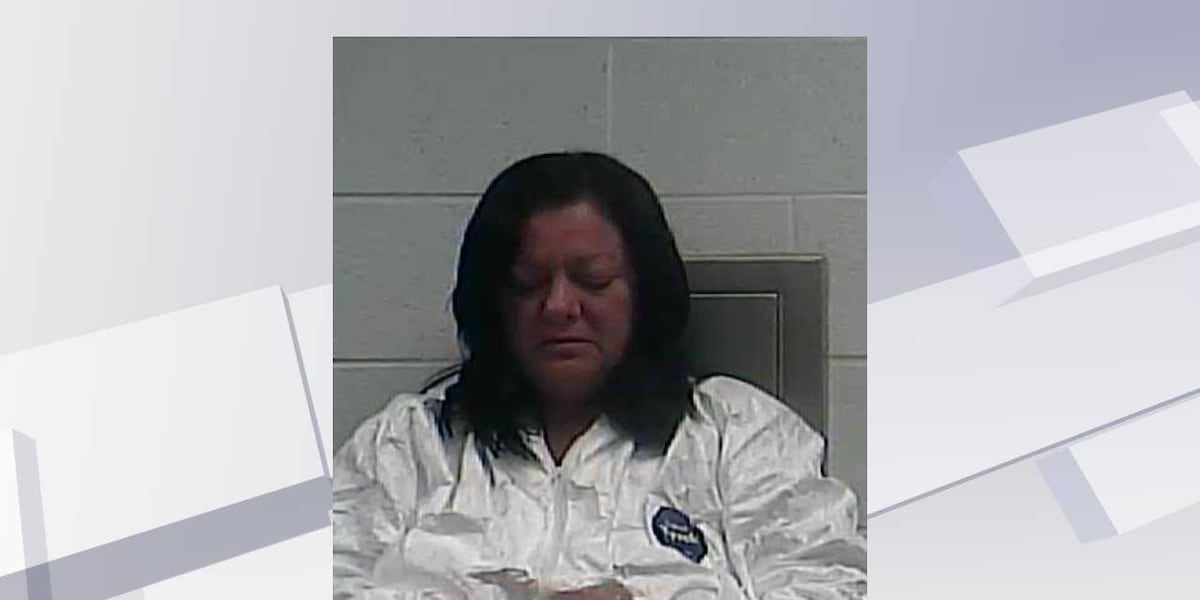
Frances Zaayer: A Year of 911 Calls, Then Two Shots Next Door
She called the police on her neighbors for a missing bird feeder. Then she walked into their home with a gun. The Frances Zaayer case file — the story behind Netflix's Worst Neighbor Ever, episode 1.
 Body Cam BreakdownsVERDICT: GUILTY
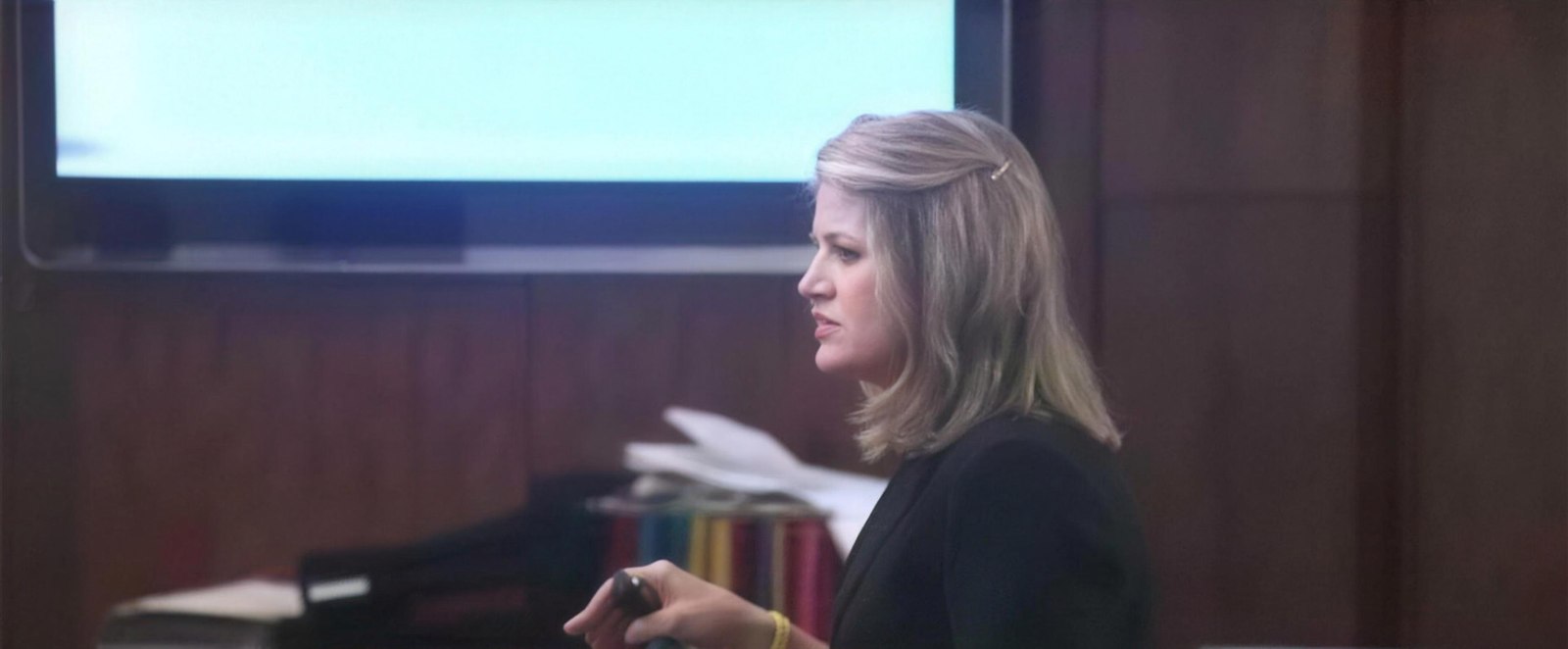
Raul Rodriguez Filmed Himself Saying 'I'm Standing My Ground.' Then He Fired.
A retired firefighter walked to his neighbor's party with a gun, a flashlight, and a camera — and narrated his own defense for 22 minutes before killing a teacher. Two juries said murder. The full case file.
 Body Cam Breakdowns
True Crime Documentaries Built From Bodycam Footage: The Definitive List
No narrator, no reenactments — just the record. The documentaries and series built from real police bodycam footage, what each one shows, and where to stream them.