Raul Rodriguez Filmed Himself Saying 'I'm Standing My Ground.' Then He Fired.
A retired firefighter walked to his neighbor's party with a gun, a flashlight, and a camera — and narrated his own defense for 22 minutes before killing a teacher. Two juries said murder. The full case file.
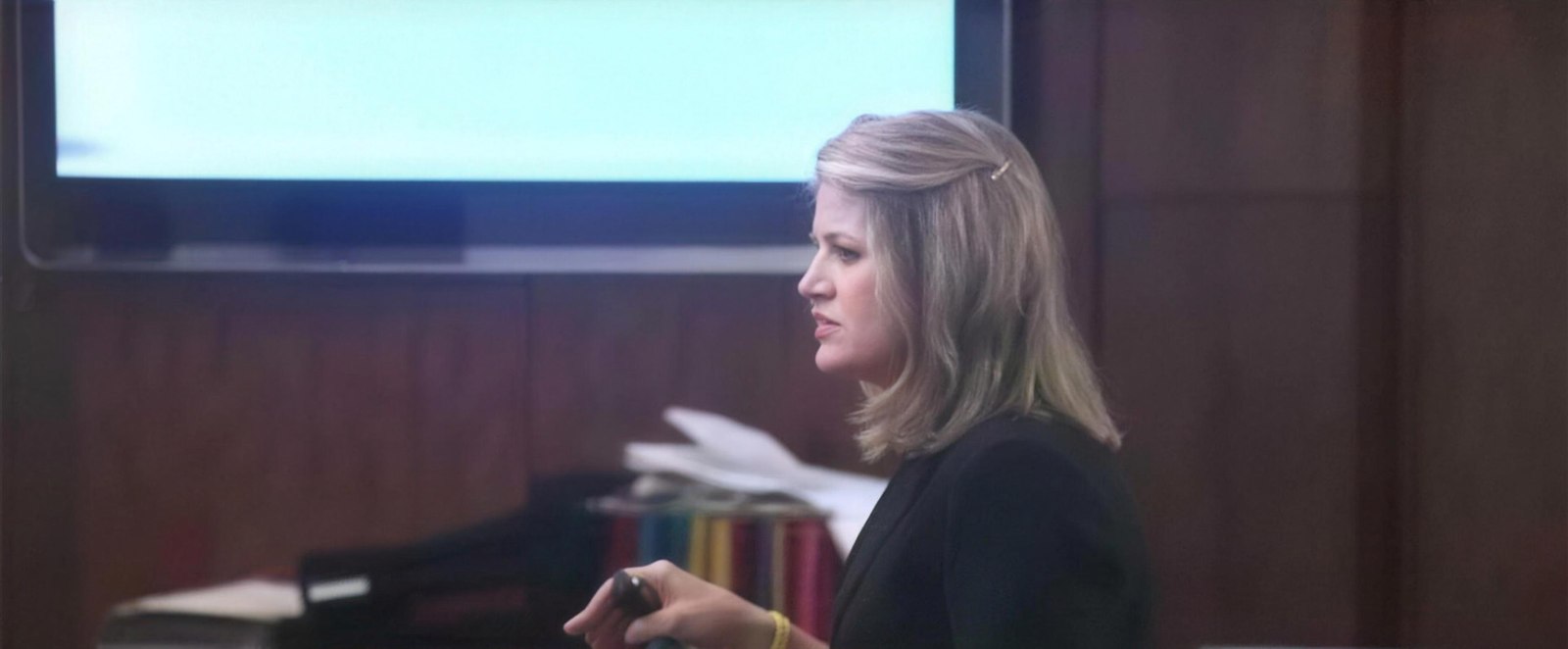
Almost every case on this channel involves a camera someone else was wearing — a police bodycam, a doorbell, a dashboard. This one is different, and it may be the purest example in American criminal law of a recording meaning the opposite of what the man holding the camera intended.
On the night of May 2, 2010, on a rural street near Huffman, Texas, a retired firefighter named Raul Rodriguez decided his neighbor's party was too loud. He could have closed a window. He could have called the police and stayed home — officers will tell you that's what the call is for.
Instead, he picked up three things: a gun, a flashlight, and a video camera. Then he walked down the street to the party.
The victim: the man whose party it was
Kelly Danaher was 36, a physical education teacher at a local elementary school — by every account the kind of teacher kids remember. The party at his house that night wasn't a rager; it was a birthday celebration for his wife and his young daughter, with friends, music, and karaoke running late on a Saturday night.
Danaher was unarmed, in his own driveway, when his neighbor showed up at the end of it with a light in one hand and a pistol in the other.
Twenty-two minutes of narration
What makes this case file extraordinary is that Rodriguez recorded the entire confrontation — roughly 22 minutes of video, with a 911 dispatcher on the phone for much of it. The recording, played for two different juries, captures him narrating his own state of mind in real time:
- "My life is in danger now."
- "These people are going to go try and kill me."
- And then, moments before he fired: "I'm standing my ground here."
That last sentence is the reason this case became a national story. Texas's version of a stand-your-ground law removes the duty to retreat before using deadly force — if the shooter is somewhere he has a right to be, isn't committing a crime, and reasonably believes deadly force is immediately necessary. Rodriguez appeared to be reciting the statute's language at the camera, as if the words themselves were a shield.
When the confrontation boiled over — the defense said one of the men lunged at him; prosecutors said no one ever touched him — Rodriguez fired. Kelly Danaher was killed. Two other men at the party were wounded and survived.
The prosecution's simplest argument
At trial in Harris County in 2012, prosecutors barely needed to characterize the video; they mostly let it run. Their argument was structural, and it's the argument that has defined the case ever since:
A man genuinely in fear for his life retreats. A man building a legal defense presses record.
Rodriguez, they argued, was the aggressor from the moment he left his house armed and walked toward the thing that scared him — and could have safely walked away from that driveway at any point in those 22 minutes. You cannot manufacture a confrontation, announce the statutory magic words, and then claim the protection of a law written for people with no way out.
The jury agreed: guilty of murder, and a sentence of 40 years.
The reversal — and the second jury
In 2014, a Texas appeals court threw the conviction out. Not because the evidence was weak, but because the jury instructions on self-defense and provocation were confusing enough to deny Rodriguez a fair trial — a reminder that in American courts, how the jury is told to apply the law matters as much as the facts.
So the state tried him again, video and all. At the retrial, the second jury deliberated about two hours before convicting him of murder a second time. This time the sentence was harsher: life in prison, imposed in November 2015. Reporting at the time noted Rodriguez would be around 80 years old before parole eligibility.
Two juries. Two verdicts. Same word: murder.
What this file actually teaches
We built this channel on the idea that recorded evidence tells the truth even when everyone around it is spinning — here's our guide to reading footage like an investigator. This case is the sharpest version of that idea, because the man who made the recording believed, sincerely, that it exonerated him. He held the camera. He chose the words. He said the phrase the statute rewards.
And it convicted him — twice — because a recording doesn't capture your words. It captures your choices. The video showed a man who had every opportunity to leave, and instead stood in the dark outside a birthday party, armed, narrating a killing that hadn't happened yet.
This case file is part of our Worst Neighbor Ever: Season 2 picks — four real neighbor-feud cases with the kind of recorded evidence Netflix's series is built on. The original four cases from season 1 are broken down here.
Case status as of this writing: convicted of murder at retrial and sentenced to life in prison in November 2015 for the killing of Kelly Danaher. This article is based on trial evidence as described in court, appellate records, and contemporaneous reporting. Photo: broadcast pool frame from verdict-day coverage of the Rodriguez trial, Harris County, Texas.
Reported to our editorial standards: records first, charges reported as charges, corrections welcomed.
Frequently asked questions
What did Raul Rodriguez do?+
On the night of May 2, 2010, Raul Rodriguez, a retired firefighter, left his home near Huffman, Texas, and walked down the street to a neighbor's house party to complain about loud music — carrying a gun, a flashlight, and a video camera. After a roughly 22-minute confrontation that he recorded himself, he fatally shot Kelly Danaher, a 36-year-old elementary school teacher, and wounded two other men.
What did Raul Rodriguez say in the video?+
While on the phone with a 911 dispatcher, Rodriguez narrated the confrontation as it happened, saying his life was in danger, that the men were 'going to go try and kill' him — and then, moments before firing, 'I'm standing my ground here.' Prosecutors argued the recording showed a man building a legal defense in advance rather than a man in fear.
Was Raul Rodriguez convicted?+
Twice. A Harris County jury convicted him of murder in June 2012 and sentenced him to 40 years. An appeals court later threw that verdict out because of confusing jury instructions, and at his retrial a second jury convicted him of murder again — this time he was sentenced to life in prison in November 2015.
Why did Raul Rodriguez get a new trial?+
In 2014, a Texas appeals court ruled that the jury instructions at his first trial mangled the law of self-defense and provocation badly enough to deny him a fair trial. The remedy was a retrial, not release — and the second jury reached the same verdict in about two hours.
What sentence is Raul Rodriguez serving?+
Life in prison for the murder of Kelly Danaher. Reporting at the time of his 2015 sentencing noted he would be around 80 years old before becoming eligible for parole.
Who was Kelly Danaher?+
Kelly Danaher was a 36-year-old physical education teacher at an elementary school near Houston. On the night he was killed, he was hosting a party at his own home celebrating his wife's birthday and his young daughter's birthday. He was unarmed and standing in his own driveway.
Stay On The Case
Get the next case file first
One email when a new case drops — footage, records, and the full breakdown.
Subscribe on YouTubeRelated case files
 Body Cam BreakdownsVERDICT: GUILTY
William Woodward Crossed His Yard on Labor Day and Shot Three Neighbors. His Defense: the Bush Doctrine.
After a summer-long feud in Titusville, Florida, William Woodward attacked a neighbor's late-night cookout, killing two men. Then his lawyers argued preemptive war. The full case file.
 Body Cam BreakdownsVERDICT: GUILTY
Frances Zaayer: A Year of 911 Calls, Then Two Shots Next Door
She called the police on her neighbors for a missing bird feeder. Then she walked into their home with a gun. The Frances Zaayer case file — the story behind Netflix's Worst Neighbor Ever, episode 1.
 Body Cam BreakdownsVERDICT: GUILTY
Jamal 'JT' Thomas: 22 Calls to Police, Then a Murder on Camera's Doorstep
An Oakland family called police again and again about the squatter next door. Then Miles Armstead was shot running for his life. The case behind Netflix's Worst Neighbor Ever — the full file.