William Woodward Crossed His Yard on Labor Day and Shot Three Neighbors. His Defense: the Bush Doctrine.
After a summer-long feud in Titusville, Florida, William Woodward attacked a neighbor's late-night cookout, killing two men. Then his lawyers argued preemptive war. The full case file.
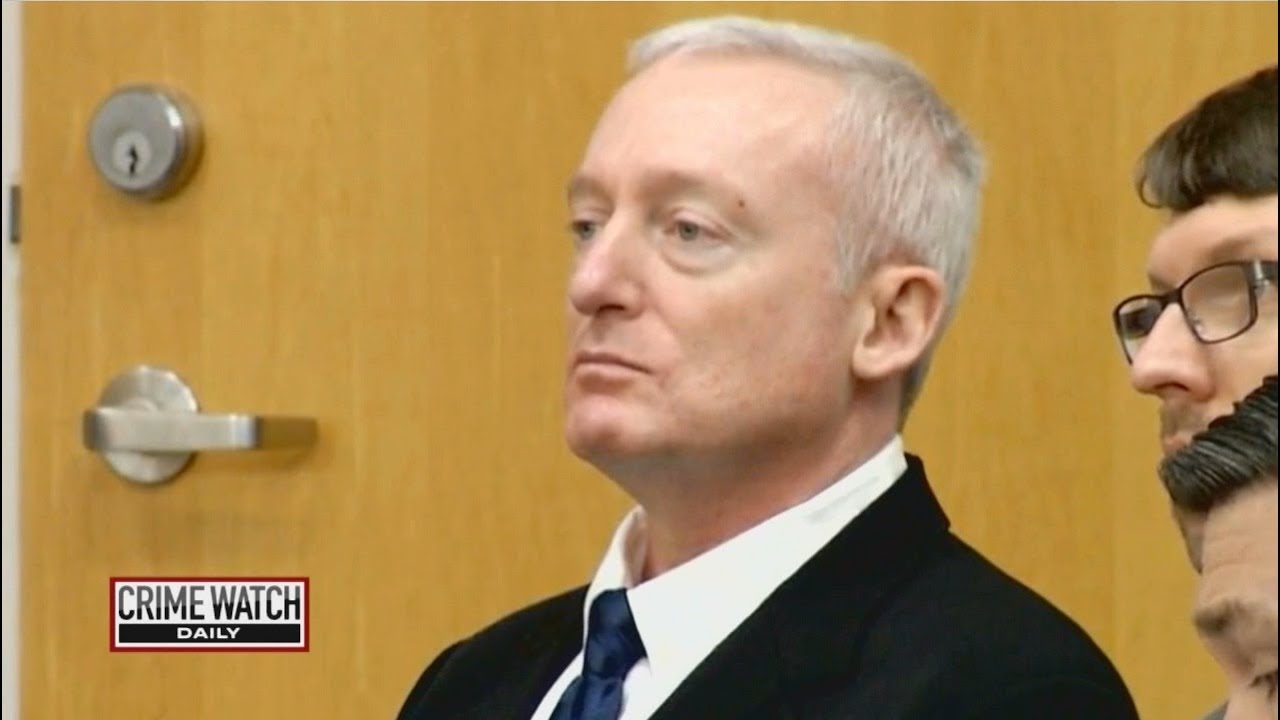
Every feud in this genre has two stories, told across a property line. What makes the Titusville case a landmark isn't the feud — it's what the defense asked a Florida court to believe afterward: that a private citizen could wage a preemptive strike on his neighbors, and that the legal reasoning used to invade Iraq could excuse it.
A summer of poison on both sides of the line
In 2012, in a working-class neighborhood in Titusville, Florida, the households of William Woodward and the group that gathered next door spent a summer at war — the shouted-insults, called-the-cops, documented-and-recorded kind of war. Woodward would later claim through his lawyers that he and his family were tormented for weeks: threats, taunts, harassment that he reported and that festered without resolution.
Take that claim at face value — the prosecution never really contested that the feud was real and mutual — and this case still lands where it lands. Because feuds are legal. What happened on Labor Day weekend is not.
Labor Day, 2012
Late that night — September 2 into the early hours of September 3 — the group next door was doing what everyone in America does on Labor Day weekend: gathered outside, drinking, music on, holiday winding down.
Woodward left his property, approached the gathering, and opened fire on the men there. He shot three of them:
- Gary Lee Hembree, 39 — killed.
- Roger Picior, 44 — killed.
- Bruce Blake, 49 — shot repeatedly, survived.
The men were unarmed. Prosecutors would describe them as exactly what they looked like: partygoers at a cookout, attacked from the dark by a neighbor who had decided the feud ended that night.
"Imminent" — the word the defense tried to bend
What elevated this file from local tragedy to national law-school hypothetical was the defense. Woodward's attorneys pursued Florida's Stand Your Ground immunity, arguing he reasonably believed his family faced deadly harm. But the threat wasn't happening at that moment — so his lawyers reached for something no one had tried before: the Bush Doctrine.
The argument, in essence: the meaning of an "imminent" threat has expanded — a nation doesn't have to wait for the missile to launch, and a citizen shouldn't have to wait for a mob at his door. Woodward, they argued, struck first at an attack he believed was coming.
Florida's courts said no. Stand Your Ground — whatever you think of it, and this channel has covered it before in the Raul Rodriguez case — is written around imminence: the harm must be about to happen, not brewing, not feared, not deserved-any-day-now. Strip imminence out of self-defense law and every feud in America ends the way this one did, lawfully. The immunity motion failed, and the case went to a jury.
The verdict and the sentence
On January 31, 2018 — more than five years after the shooting — a Brevard County jury convicted Woodward of two counts of second-degree murder and one count of attempted murder. In April 2018, the court imposed life in prison for the murders and 45 years for the shooting of Bruce Blake, and denied the defense's motion for a new trial.
Second-degree, not first: the jury stopped short of premeditation, landing on a killing born of depraved disregard rather than a plan. For the families of Gary Hembree and Roger Picior, the distinction changed nothing that matters.
Why this case file matters
The neighbor cases that reach this channel usually fail at the same point: the system logs the feud — calls, reports, complaints, a paper trail thick with warning — and treats it as noise until it becomes a homicide. The Jamal Thomas file documents 22 ignored calls on the victims' side. The Titusville file is its dark mirror: here the man drowning in grievance was the one who armed himself, and the paper trail became his defense exhibit — proof, his lawyers argued, of how afraid he was.
The law's answer, affirmed by twelve jurors, is the entire lesson of this file: fear of your neighbor, even documented fear, is not a license. There is no Bush Doctrine at the property line.
This case file is part of our Worst Neighbor Ever: Season 2 picks, alongside the original four Netflix cases.
Case status as of this writing: convicted January 31, 2018 of two counts of second-degree murder and one count of attempted murder; sentenced April 2018 to life in prison plus 45 years; motion for new trial denied. This article is based on court proceedings and contemporaneous reporting. Photo: broadcast frame of Woodward in court, via Crime Watch Daily coverage.
Reported to our editorial standards: records first, charges reported as charges, corrections welcomed.
Frequently asked questions
What did William Woodward do?+
Late on Labor Day weekend in September 2012, William Woodward left his property in Titusville, Florida, and opened fire on a group of neighbors gathered at a holiday cookout next door, after a months-long feud. Gary Lee Hembree, 39, and Roger Picior, 44, were killed; Bruce Blake, 49, was shot multiple times and survived.
What was the 'Bush Doctrine' defense?+
Woodward's lawyers argued his shooting was justified under Florida's Stand Your Ground law — and, in the case's most infamous filing, invoked the 'Bush Doctrine,' the foreign-policy principle of preemptive strikes, to argue that an 'imminent' threat can include an attack you believe is coming rather than one actually happening. The courts did not accept it.
Was William Woodward convicted?+
Yes. On January 31, 2018, a Brevard County jury found Woodward guilty of two counts of second-degree murder and one count of attempted murder. In April 2018 he was sentenced to life in prison for the murders, plus 45 years for the attempted murder of Bruce Blake, and the judge denied his request for a new trial.
What was the feud about?+
By all accounts it was mutual, ugly, and ran for months: Woodward said the group next door taunted, threatened, and harassed him and his family throughout the summer of 2012, and law enforcement had been made aware of the conflict. Prosecutors did not dispute the feud was real — they disputed that any of it justified shooting three unarmed men at a party.
Why didn't Stand Your Ground protect Woodward?+
Florida's law requires a reasonable belief that deadly force is necessary to prevent imminent death or great bodily harm. Judges and jurors concluded the men at the cookout — unarmed, on their own side of the property line — posed no imminent threat at the moment Woodward attacked. A grievance, even a legitimate one, is not imminence.
Stay On The Case
Get the next case file first
One email when a new case drops — footage, records, and the full breakdown.
Subscribe on YouTubeRelated case files
 Body Cam BreakdownsVERDICT: GUILTY
Raul Rodriguez Filmed Himself Saying 'I'm Standing My Ground.' Then He Fired.
A retired firefighter walked to his neighbor's party with a gun, a flashlight, and a camera — and narrated his own defense for 22 minutes before killing a teacher. Two juries said murder. The full case file.
 Body Cam BreakdownsVERDICT: GUILTY
The Mattress Murder: Aaron Howard Died Over Trash. His Fiancée Filmed All of It.
An alley in Abilene, a box spring in a dumpster, and a father and son with guns. Kara Box recorded the entire confrontation that killed Aaron Howard — and the verdict split the courtroom. The full case file.
 Body Cam BreakdownsVERDICT: GUILTY
Jamal 'JT' Thomas: 22 Calls to Police, Then a Murder on Camera's Doorstep
An Oakland family called police again and again about the squatter next door. Then Miles Armstead was shot running for his life. The case behind Netflix's Worst Neighbor Ever — the full file.