Non-Negotiated Guilty Pleas: Why a Defendant Pleads Guilty With No Deal
No plea bargain, no agreed sentence — just guilty, to everything. Why defendants enter open or 'blind' pleas, what happens at the hearing, and what it means for sentencing.

Most guilty pleas are the end of a negotiation: charges dropped here, a sentencing recommendation there, both sides signing off before the judge ever hears it. Then there's the rarer, stranger animal — the non-negotiated plea, where a defendant stands up and pleads guilty to everything, with no deal, no promises, and no idea what the sentence will be.
That's what court filings say Colt Gray plans to do on July 24, 2026 in the Apalachee High School case: a non-negotiated plea to all 55 counts. Understanding what that means — and what it doesn't — is the difference between reading that hearing correctly and misreading it completely.
The three ways a guilty plea happens
- Negotiated plea (plea bargain). The defense and prosecution agree on terms — reduced charges, dismissed counts, or a joint sentencing recommendation — and present the package to the judge. If the judge rejects the deal, the defendant can typically take the plea back.
- Non-negotiated plea (open or "blind" plea). The defendant pleads guilty to the charges as filed. Prosecutors have promised nothing. The judge sentences within the full range the law allows.
- Alford plea. A guilty plea in which the defendant maintains innocence while conceding the state could likely convict. Courts treat it as a conviction; it can be negotiated or open.
The vocabulary matters because coverage constantly flattens it. "Pleaded guilty" with a deal and "pleaded guilty" without one are legally the same conviction — but strategically, they're different universes.
Why plead guilty with no deal?
It looks like surrender. It's usually strategy — one of four kinds:
- The evidence is overwhelming. When the outcome of a trial isn't seriously in doubt, a trial mostly guarantees weeks of painful testimony. An open plea skips straight to sentencing.
- Mercy is more likely from the judge than the prosecutor. If the state won't offer terms the defense can live with, the defense may prefer to argue mitigation directly to the judge — betting that genuine acceptance of responsibility, age, or mental health will count for more at sentencing than it did at the bargaining table.
- It caps the worst outcome. In some cases, the plea itself takes the most severe punishment off the table. Because Colt Gray was under 18 at the time of the shooting, he cannot face the death penalty — so a plea to all counts trades an unwinnable trial for a sentencing hearing where the only real question is the structure of a long sentence.
- There's nothing left to trade. Sometimes prosecutors simply refuse to negotiate — often in cases with maximum public scrutiny. An open plea is what remains.
Contrast that with Bryan Kohberger's negotiated plea: guilty in exchange for the state dropping the death penalty, with an explicit waiver of appeal. Both men end up convicted by their own words — but one bought certainty, and the other bought only the right to ask a judge for it.
What the hearing actually looks like
An open-plea hearing runs in two movements:
The colloquy. The judge questions the defendant directly, on the record: Do you understand the charges? The maximum penalties? That you're giving up trial, confrontation, and the presumption of innocence? Is anyone forcing you? The court also requires a factual basis — a recitation of what the state's evidence would show. This is often the first time the full narrative of the case enters open court, uncontested.
Sentencing. With no agreement to honor, the judge hears everything: aggravation from prosecutors, mitigation from the defense, and — in cases with victims — victim impact statements, which in mass-casualty cases can run for days. Then the judge decides alone.
The fine print: withdrawal and appeal
Two questions decide how "final" an open plea really is:
- Can it be withdrawn? Before sentencing, usually yes — Georgia law, for instance, gives an absolute right to withdraw a guilty plea any time before the sentence is pronounced. After sentencing, an open plea is locked in absent manifest injustice. (Negotiated pleas keep one extra escape hatch: if the judge rejects the deal, the defendant can walk it back.)
- Can it be appealed? A guilty plea forfeits most appellate issues — there's no trial record to attack. What survives is narrow: whether the plea was knowing and voluntary, and whether the sentence was lawful.
The bottom line
A plea bargain is a contract. A non-negotiated plea is a bet — that admitting everything, with nothing promised in return, will land better than fighting. When you watch an open-plea hearing, the verdict was never the question. The only drama left is the number, and it belongs entirely to the judge. For where the biggest pending hearings stand, check the court dates tracker.
Reported to our editorial standards: records first, charges reported as charges, corrections welcomed.
Frequently asked questions
What is a non-negotiated guilty plea?+
A guilty plea entered without any agreement with prosecutors — no reduced charges, no recommended sentence. The defendant admits guilt to the charges as filed, and the judge alone decides the punishment within the law's range. It's also called an open plea or a blind plea.
Why would anyone plead guilty without a deal?+
Common reasons: the evidence is overwhelming and a trial would only add pain for victims' families; the defense hopes the judge will credit the acceptance of responsibility at sentencing; prosecutors refused to offer acceptable terms; or the plea takes the worst outcome — like a death sentence — off the table under that state's law.
What's the difference between an open plea and a plea bargain?+
In a plea bargain, both sides agree on something — reduced charges, dropped counts, or a sentencing recommendation — and present the deal to the judge. In an open plea there is no agreement at all: the defendant pleads guilty to everything and takes their chances with the judge.
Can a non-negotiated plea be withdrawn?+
Generally only before sentencing. In Georgia, for example, a defendant has an absolute right to withdraw a guilty plea any time before the sentence is pronounced — but once the judge states the sentence after an open plea, withdrawal is essentially off the table absent manifest injustice.
Does pleading guilty waive the right to appeal?+
A guilty plea gives up most appellate issues, because there's no trial to challenge. Some negotiated deals — like Bryan Kohberger's — make the waiver explicit. After an open plea, narrow challenges can remain, usually about whether the plea itself was knowing and voluntary or the sentence was lawful.
Stay On The Case
Get the next case file first
One email when a new case drops — footage, records, and the full breakdown.
Subscribe on YouTubeRelated case files
 Trials & VerdictsVERDICT: GUILTY
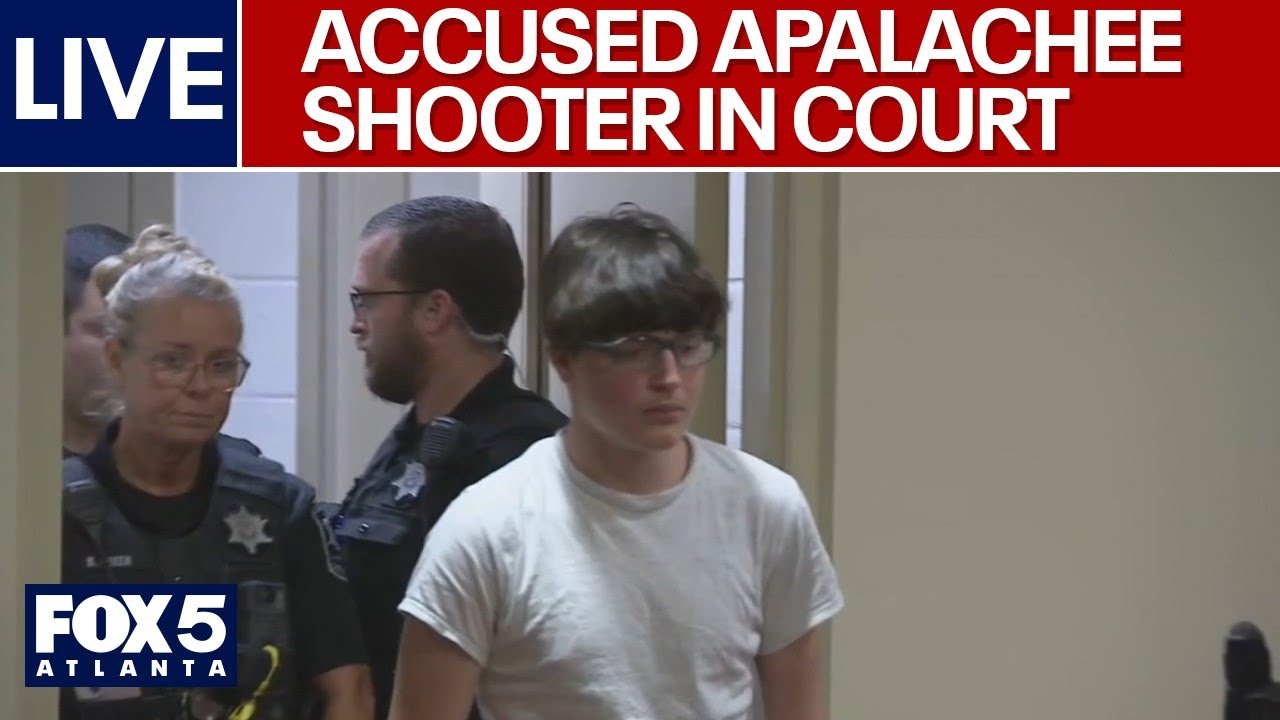
Colt Gray Pleaded Guilty to All 55 Counts — With No Deal. The Sentence: Life Without Parole
The Apalachee High School shooter pleaded guilty to all 55 counts with no deal from prosecutors, and on July 28 a judge sentenced him to life without parole. What a non-negotiated plea means, how the sentencing unfolded, and what happens to his father.
 Trials & Verdicts
No Body, No Murder? The Myth That Keeps Losing in Court
Can you be convicted of murder without a body? Yes — and the conviction rate is higher than you'd guess. How prosecutors prove a death with no remains.
 Trials & VerdictsON TRIAL
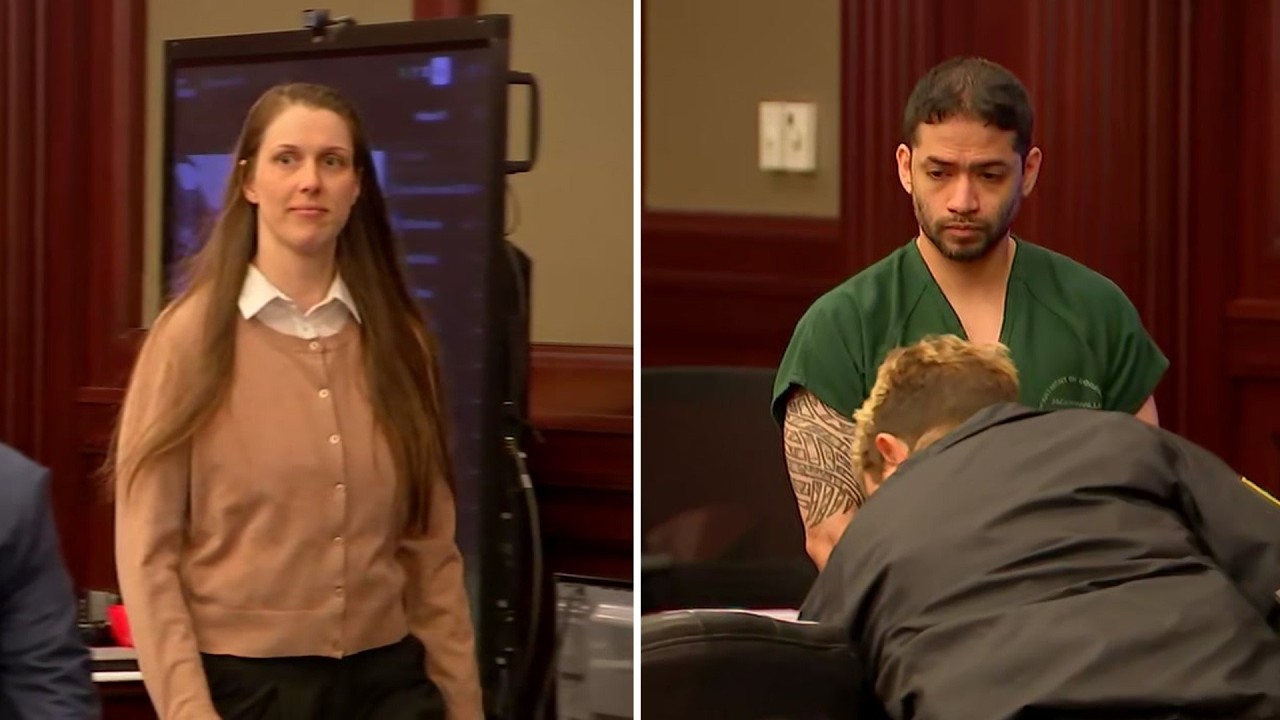
The Bridegan Murder-for-Hire Trials: Two Juries, Six Weeks, One Ambush
A Microsoft executive shot in front of his toddler, an ex-wife and her husband headed to back-to-back murder trials, and a hitman who took it all back. The full pre-trial file.