No Body, No Murder? The Myth That Keeps Losing in Court
Can you be convicted of murder without a body? Yes — and the conviction rate is higher than you'd guess. How prosecutors prove a death with no remains.

Every few years a defendant bets his life on the same idea: no body, no murder. It's one of the oldest myths in criminal law — and one of the most reliably fatal to the people who believe it.
Juries have been rejecting it for decades. In July 2026, a San Diego jury convicted Larry Millete of murdering his wife Maya, who has not been seen since January 2021 and whose remains have never been found. In October, a Virginia jury will hear the case against Naresh Bhatt, whose wife Mamta vanished in 2024 — another prosecution built without a body.
Here's why those cases exist at all, and why they usually succeed.
The myth: corpus delicti
The confusion starts with a Latin phrase. Corpus delicti means "the body of the crime" — the requirement that prosecutors prove a crime actually happened before anyone can be convicted of it.
It does not mean a literal corpse.
For murder, the "body of the crime" is two facts: a person is dead, and a criminal act killed them. Nothing in the law says those facts must be proven with remains. They can be proven the way most facts are proven in court — by evidence that excludes every reasonable alternative.
The question a no-body jury answers isn't "where is the victim?" It's "is there any reasonable version of events in which this person is still alive?"
How you prove a death with no body
Modern life leaves a constant data trail — and a death cuts it instantly. No-body prosecutions are built on that silence:
- Digital silence. The victim's phone stops moving, texting, and pinging. Social accounts go dark mid-conversation. A person who checked in with family daily never does again.
- Financial silence. Bank cards, paychecks, and benefits go untouched. Nobody walks away from their own money.
- Life abandoned. Medications left behind, children never contacted, a passport unused. Prosecutors call witnesses to establish what the victim would never have done — and then show they "did" it, permanently, all at once.
- Physical evidence. You don't need a body to have forensics. Blood volume in a home can be medically inconsistent with survival. DNA, cleanup residue, and tool or purchase records fill in the rest.
- The defendant's conduct. Searches, purchases, a suddenly spotless garage, a story that shifts. In the Millete case, jurors pointed to the defendant's own messages as the evidence that mattered most.
Ironically, hiding a body often creates the strongest evidence. A missing person is ambiguous; a scrubbed floor, a burned mattress, and a shovel receipt are not.
The numbers: the myth loses 86% of the time
Former federal prosecutor Tad DiBiase — "the no-body guy" — maintains the national database of U.S. no-body murder trials, more than 500 of them stretching back to the 1800s. His finding: roughly 86% end in conviction, higher than the ~70% conviction rate the Department of Justice reports for murder trials overall.
That number makes sense once you think about what it takes to charge a no-body case. Prosecutors know they're walking into court without the single most expected piece of evidence, so they don't file until the circumstantial case is overwhelming. The weak ones never get charged; the charged ones rarely lose.
Why these cases take so long
The Millete family waited five and a half years between Maya's disappearance and a verdict. That's typical. Investigators exhaust every search first — in part because finding remains transforms the case, and in part because proving the thoroughness of the search is itself evidence. When detectives testify that fifty searches, dozens of warrants, and years of digital monitoring found nothing, the defense theory that the victim simply left gets harder to sustain.
The wait is agonizing for families, who grieve without certainty or a place to visit. Several have said the trial is the first time anyone officially acknowledged their loved one was dead.
The bottom line
No body, no murder isn't law — it's folklore. The law asks whether the evidence proves a death and a killer beyond a reasonable doubt, and courts have answered yes more than 500 times without remains ever being found. If anything, the myth is a trap: the work of making a body disappear tends to produce exactly the evidence that convicts. For how the same logic plays out in a live case, watch the Bhatt trial this October — and see our guide to what "charged" and "convicted" actually mean.
Reported to our editorial standards: records first, charges reported as charges, corrections welcomed.
Frequently asked questions
Can you be convicted of murder without a body?+
Yes. Courts in every U.S. state allow murder convictions without the victim's remains. Prosecutors must still prove beyond a reasonable doubt that the victim is dead and that the defendant killed them — they just do it with circumstantial evidence instead of a body.
What does corpus delicti actually mean?+
It's Latin for 'body of the crime' — the legal requirement that a crime actually occurred. It does not mean a literal corpse. For murder, the 'body of the crime' is proof that someone died by criminal act, which can be established entirely through circumstantial evidence.
What is the conviction rate in no-body murder trials?+
High. Former federal prosecutor Tad DiBiase, who maintains the national database of no-body cases, found that about 86% of the 500-plus U.S. no-body murder trials in his data ended in conviction — compared with roughly 70% for murder trials generally.
How do prosecutors prove someone is dead without remains?+
By proving the absence of life: the victim's phone, bank accounts, and social media go permanently silent; they miss the events they'd never miss; no doctor, employer, or border crossing ever sees them again. Combined with physical evidence like blood volume in a home, that pattern can exclude every explanation except death.
Why do killers think hiding the body will save them?+
Because of the corpus delicti myth — the belief that no corpse means no case. In practice, concealing a body often strengthens the prosecution, since the concealment itself (cleaning, digging, buying supplies, moving a vehicle) becomes evidence of guilt.
Stay On The Case
Get the next case file first
One email when a new case drops — footage, records, and the full breakdown.
Subscribe on YouTubeRelated case files
 Trials & VerdictsVERDICT: GUILTY
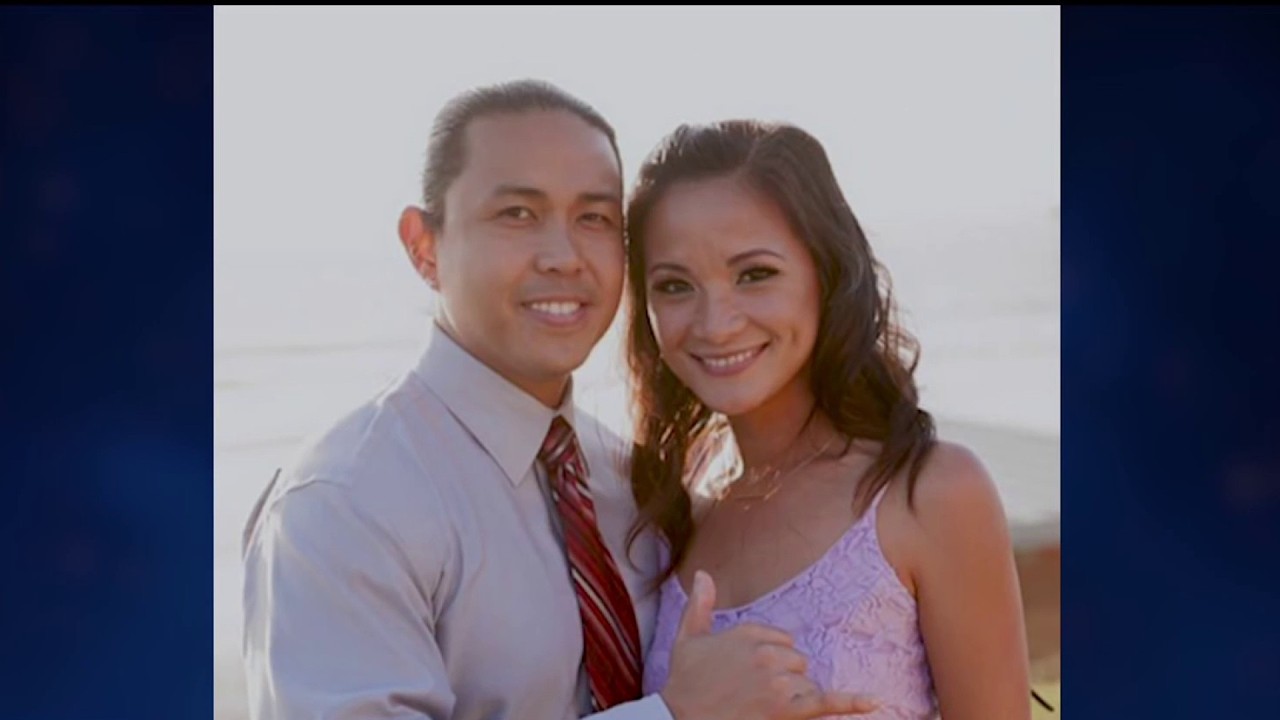
Larry Millete: Guilty of Murder — and Maya Has Never Been Found
Five years, no body, no crime scene, no weapon. On July 9, 2026, a San Diego jury needed less than five hours to call it murder anyway. The full case file.
 Trials & VerdictsVERDICT: GUILTY
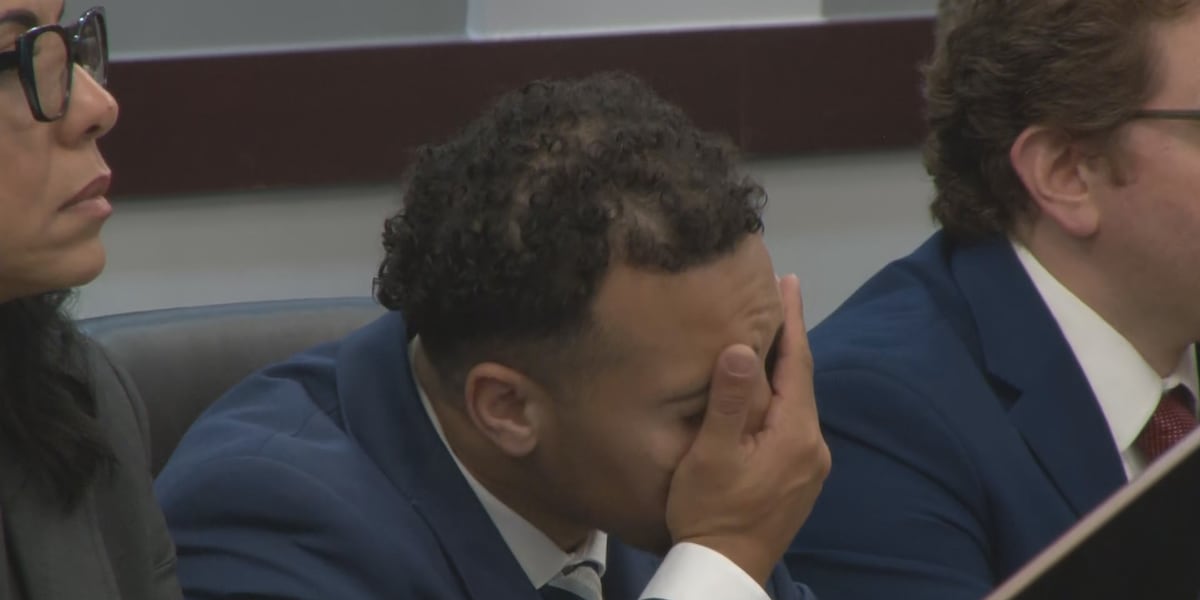
Blaise Taylor: The NFL Scout, the Pink Lemonade, and a Two-Hour Verdict
She told a friend, 'I know you put something in my drink.' Nine days later she was dead. On July 1, 2026, a Nashville jury took two hours to convict the ex-Titans scout. The full case file.
 Trials & Verdicts
Non-Negotiated Guilty Pleas: Why a Defendant Pleads Guilty With No Deal
No plea bargain, no agreed sentence — just guilty, to everything. Why defendants enter open or 'blind' pleas, what happens at the hearing, and what it means for sentencing.