Luigi Mangione's Two Trials: Why One Killing Gets a State Case and a Federal Case
A state murder trial in September. A federal stalking trial in January. How one Manhattan killing became two prosecutions — the charges, the dates, and what each one carries.
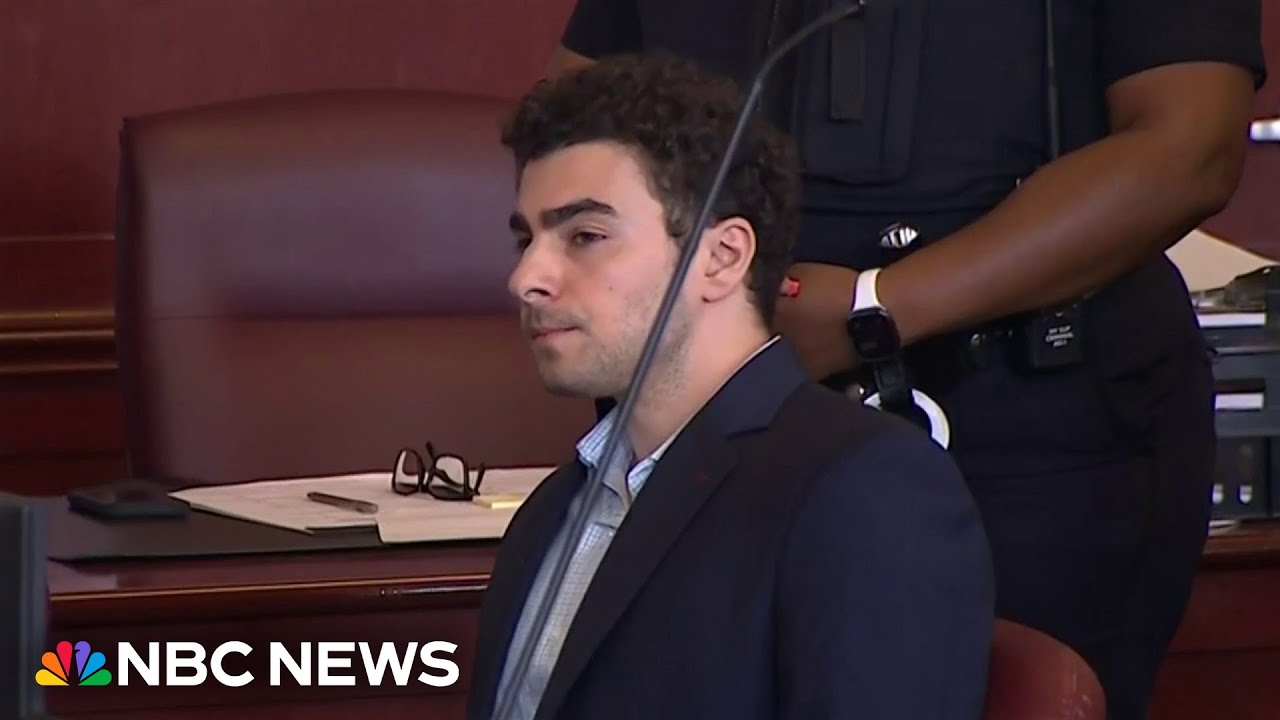
On September 8, 2026, jury selection is currently scheduled to begin in the most-watched criminal trial in America: the State of New York against Luigi Mangione, the 28-year-old accused of shooting UnitedHealthcare CEO Brian Thompson on a Midtown Manhattan sidewalk on December 4, 2024.
Four months later — January 5, 2027 — a second jury is scheduled to be picked, one floor of the federal courthouse over from the first, for a second trial about the same killing.
Two courts. Two juries. One accusation. If that sounds like it shouldn't be allowed, this case file is for you.
The accusation
Prosecutors say Mangione ambushed Thompson from behind outside the New York Hilton Midtown, where the executive — a 50-year-old father of two — was walking to his company's investor conference. The evidence they've described in filings and hearings includes surveillance footage of the shooting, shell casings marked with words echoing criticism of the insurance industry, and, when Mangione was arrested five days later at a Pennsylvania McDonald's, a gun and a notebook a judge has ruled the jury can see.
Mangione has pleaded not guilty to every charge in both cases. He is presumed innocent unless and until a jury says otherwise — and nothing in either case has been tested by cross-examination yet.
Why two trials? Dual sovereignty, explained
The Fifth Amendment bars trying someone twice for the same offense — but the Supreme Court has long held that the state and federal governments are separate sovereigns. Each has its own criminal code, and each may prosecute the same act as an offense against its laws. It's the same doctrine that allowed federal civil-rights trials after state acquittals in the civil-rights era.
Here, the split works like this:
- New York State charges the killing itself: second-degree murder, plus weapons counts. This is the case that starts September 8.
- The federal government charges the conduct around the killing: stalking-related counts tied to tracking Thompson across state lines. This is the January 2027 case.
The federal case originally looked very different — and that's where the death penalty question comes in.
The death penalty is off the table
When federal prosecutors first indicted Mangione, the top count — murder through use of a firearm — was death-eligible, and the Justice Department said it would seek the death penalty. That is no longer the case: earlier in 2026, the federal judge dismissed the murder and weapons counts, leaving the stalking charges and taking capital punishment off the table entirely.
The state case never carried that risk — New York has no death penalty. What second-degree murder does carry is 25 years to life.
The state charges have also been narrowed. In September 2025, Judge Gregory Carro threw out the two terrorism-related murder counts — including first-degree murder in furtherance of terrorism — writing that while the defendant "was clearly expressing an animus toward UHC," New York law doesn't make a killing terrorism just because it's ideological. The second-degree murder count, he ruled, stands on legally sufficient evidence.
The vanishing defense
For a stretch of 2026, the biggest question was how Mangione's team would defend the state case. In June, his attorneys told the court they intended to argue extreme emotional disturbance — a defense that concedes an intentional killing but, if the jury accepts it, reduces second-degree murder to first-degree manslaughter.
One day later, they withdrew it.
The stated reasons say a lot about the strategic bind of facing two prosecutions at once: the defense faced a deadline to hand prosecutors its supporting psychiatric material — material federal prosecutors could then study — and the team said some doctors refused to participate as experts because of the case's notoriety. The withdrawal means the state trial is currently shaping up as a straight contest over proof, not mental state.
One more June development: CBS News reported that prosecutors and the defense discussed a possible plea deal that collapsed — a report Mangione's lead attorney flatly denied, saying no plea talks ever happened. Either way, no deal exists, and both trials are on the calendar.
The schedule (hold it loosely)
| Date | Court | What happens |
|---|---|---|
| September 8, 2026 | Manhattan Supreme Court (state) | Murder trial currently scheduled to begin |
| January 5, 2027 | Southern District of New York (federal) | Jury selection — 40–50 prospective jurors per day |
| January 25, 2027 | Federal court | Opening statements currently scheduled |
Every date in this case has moved at least once — the state trial was originally set for June 8 before being pushed to September, and the federal trial was postponed specifically because the state case goes first. The federal judge has even delayed releasing the juror questionnaire to protect the jury pool while the state trial unfolds. Treat all dates as "currently scheduled," and check our court dates tracker for changes.
Why this case file matters
Strip away the noise — the manifesto discourse, the merchandise, the courthouse crowds — and what's left is a case this channel exists to follow: surveillance footage, physical evidence, and two very different courtrooms testing the same facts under different laws. The state jury will decide whether prosecutors can prove a murder. The federal jury, months later, will hear about the same days through the lens of interstate stalking law.
However it ends, this is going to be the clearest public lesson in how American dual-sovereignty prosecution works since the concept entered the headlines — and the verdicts may not match.
Case status as of this writing: charged in both state and federal court; pleaded not guilty to all counts; presumed innocent unless and until proven guilty. The state trial is currently scheduled for September 8, 2026, and the federal trial for January 2027; dates may change. This article is based on court rulings, filings described in open court, and contemporaneous reporting. Photo: courtroom pool-feed frame of Mangione at a pretrial hearing, as broadcast by NBC News.
Reported to our editorial standards: records first, charges reported as charges, corrections welcomed.
Frequently asked questions
When does Luigi Mangione's trial start?+
His New York state murder trial is currently scheduled to begin September 8, 2026, in Manhattan. His separate federal trial is currently set for January 2027 — jury selection starting January 5 and opening statements January 25. Both dates have moved before and could move again.
Why is Luigi Mangione being tried twice for the same killing?+
Under the 'dual sovereignty' doctrine, New York State and the federal government are separate sovereigns, so each can prosecute the same act under its own laws without violating double jeopardy. The state charges him with murder; the federal case charges stalking-related offenses connected to the same killing.
Is the death penalty off the table for Luigi Mangione?+
Yes, as the cases currently stand. The only potentially death-eligible charges were federal, and the judge dismissed the federal murder and weapons counts earlier in 2026, leaving stalking charges. New York State has no death penalty, so the state murder trial cannot produce a death sentence either.
What charges does Luigi Mangione face in the state case?+
Second-degree murder and weapons counts. In September 2025, Judge Gregory Carro dismissed the two terrorism-related murder counts — including first-degree murder in furtherance of terrorism — as legally insufficient, while ruling the evidence supported the remaining charges. Second-degree murder in New York carries up to 25 years to life.
Did Luigi Mangione take a plea deal?+
No. He has pleaded not guilty in both cases. CBS News reported in June 2026 that prosecutors and the defense discussed a possible deal that fell through, but his lead attorney publicly denied any plea discussions took place. As of this writing, both trials are moving forward.
What happened to Mangione's psychiatric defense?+
His lawyers withdrew it. In June 2026, the defense abandoned its planned 'extreme emotional disturbance' argument — which could have reduced murder to first-degree manslaughter — citing disclosure deadlines that could prejudice the federal case and difficulty retaining experts.
Stay On The Case
Get the next case file first
One email when a new case drops — footage, records, and the full breakdown.
Subscribe on YouTubeRelated case files
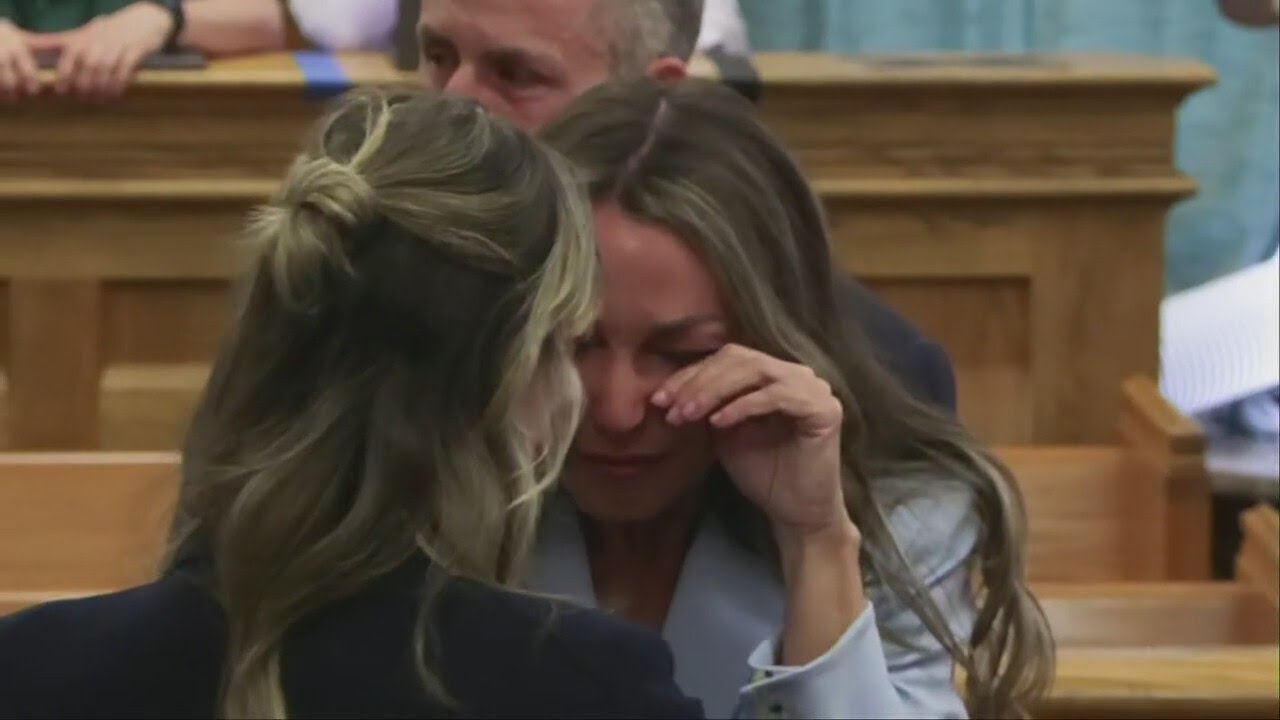 Trials & VerdictsVERDICT: NOT GUILTY
Karen Read: Two Trials, One Body in the Snow, and a Not Guilty
Boston cop John O'Keefe died in a blizzard outside a fellow officer's house. Did his girlfriend hit him with her SUV — or was she framed? Two juries later, the answer. The full case file.
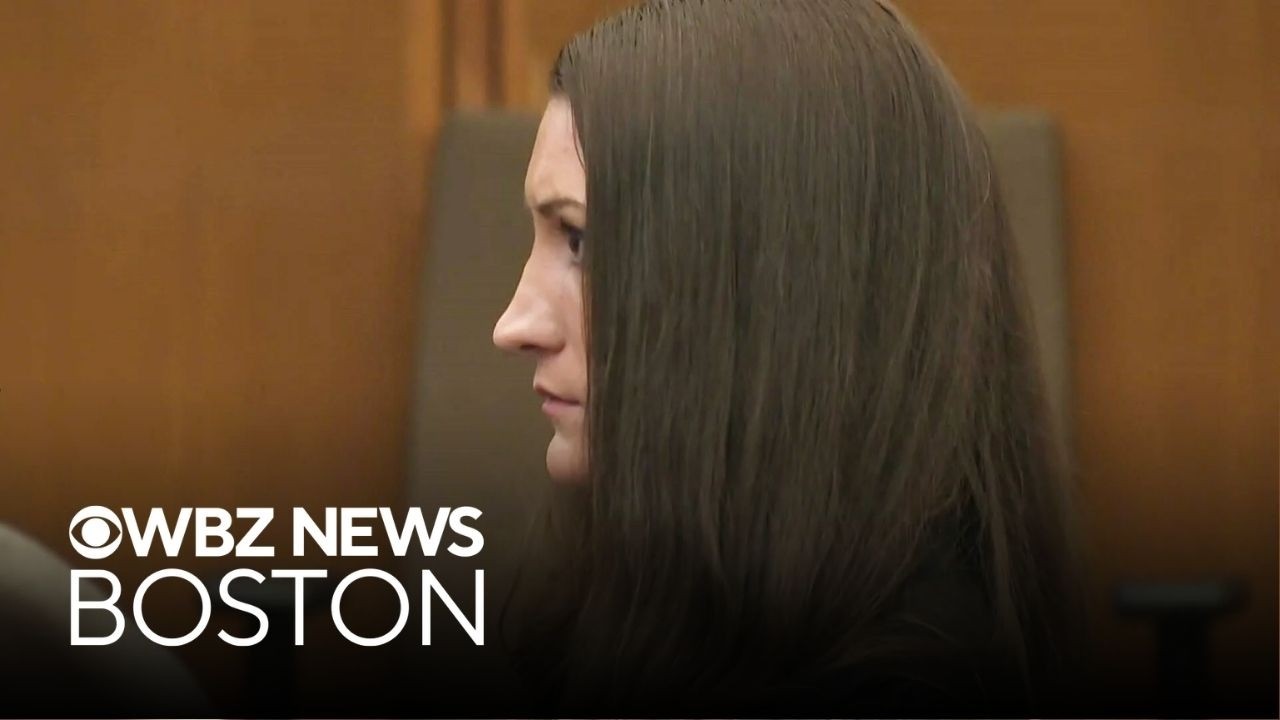 Trials & VerdictsON TRIAL
Lindsay Clancy on Trial: The Postpartum Psychosis Defense Meets a Jury
Three children dead, a mother paralyzed by her own suicide attempt, and a defense built on postpartum psychosis. The trial is underway — opening statements landed July 27, and her husband took the stand on day one. The full case file.
 Crime News
True Crime Court Dates Tracker: Every Big Case Hearing in 2026
When does the Lindsay Clancy trial start? Luigi Mangione's trial? Richard Allen's appeal? The Murdaugh retrial? Every major true crime court date ahead, tracked and updated.