Blaise Taylor: The NFL Scout, the Pink Lemonade, and a Two-Hour Verdict
She told a friend, 'I know you put something in my drink.' Nine days later she was dead. On July 1, 2026, a Nashville jury took two hours to convict the ex-Titans scout. The full case file.
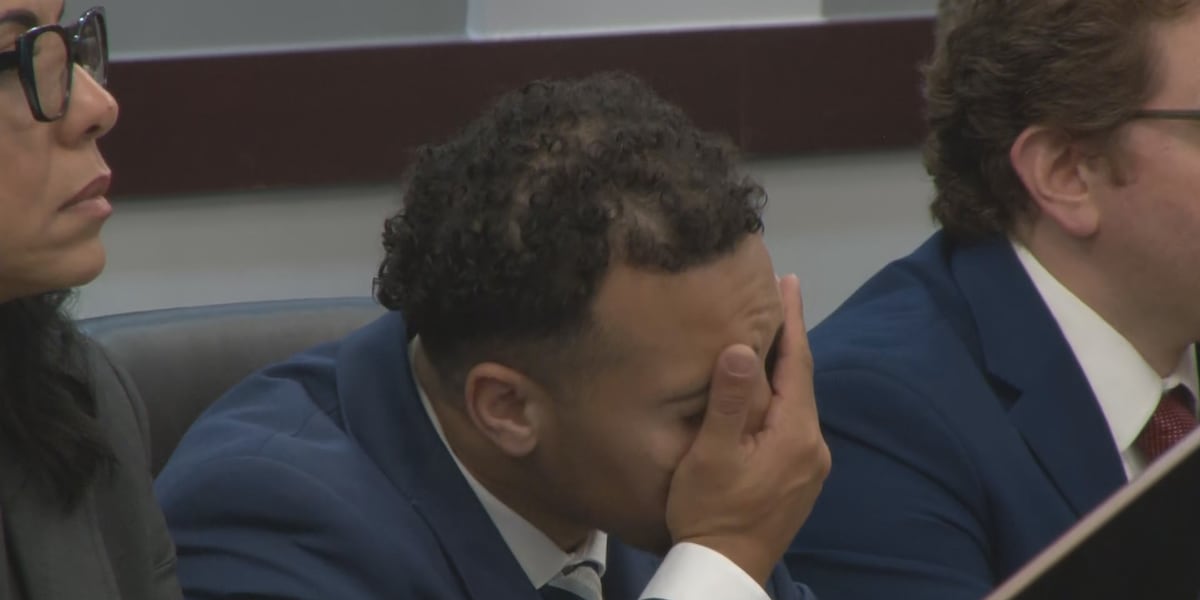
The 911 call sounded like a boyfriend in a panic. "I think she's having an allergic reaction," Blaise Taylor told the dispatcher. "She's not responding."
The woman who wasn't responding was Jade Benning, 24 years old and about five months pregnant. Days earlier, according to a friend who testified at trial, Jade had already named what was happening to her: "I know you put something in my drink, because I can't even walk straight." She said she couldn't feel her legs.
Her unborn daughter died on February 27, 2023. Jade died on March 6, 2023 — her 25th birthday.
On July 1, 2026, a Davidson County jury in Nashville needed about two hours to decide who put something in her drink. Blaise Taylor — a four-year scout for the Tennessee Titans, a former Arkansas State defensive back, the son of a Power Five assistant coach — was found guilty on all four counts.
The poisoning: cocaine in the pink lemonade
Prosecutors alleged something that sounds almost too cold to be a plan: Taylor spiked Benning's pink lemonade with a lethal dose of cocaine dissolved in alcohol.
The physical evidence came from her own kitchen. Crime scene investigators photographed and seized a nearly empty bottle of V8 Splash, a half-full container of pink lemonade, and two water glasses from the apartment. The toxicology report found cocaine in Benning's system, and the forensic pathologist ruled her cause of death acute cocaine toxicity.
Jade was not a drug user. She was a pregnant 24-year-old who got violently, inexplicably sick after drinks she didn't mix herself — and told a friend to her face that she believed the man beside her had done it.
The trial: two hours to guilty
Testimony opened in late June 2026 and ran through family members, friends, first responders, and medical experts. Jurors heard the 911 call. They heard the friend recount Jade's own accusation. They heard the medical examiner walk through what acute cocaine toxicity does to a pregnant woman.
The defense fought the case as circumstantial — no one saw Taylor spike a drink. The jury's answer came back fast:
- Second-degree murder in the death of Jade Benning (a lesser degree than the first-degree count charged)
- First-degree premeditated murder in the death of her unborn daughter
- Guilty across the remaining counts
Read together, the split verdict is its own finding: the jury concluded the poisoning was a premeditated act aimed at the pregnancy — and that Jade's death followed from it.
The jury returned a sentence of life in prison with the possibility of parole. Formal sentencing on the remaining counts is set for September 9, 2026 — it's on our court dates tracker.
Why this case file matters
Poisoning cases are the quietest homicides in the courtroom. There's no bodycam of the crime, no interrogation-room confession, no weapon to hold up for the jury — just a toxicology report, a kitchen counter, and the question of who had the motive and the access. This one had something most never get: the victim, while she was still alive, telling a witness exactly what she believed was happening to her. Two mistrial-proof hours of deliberation later, the jury said they believed her too.
For how prosecutors build homicide cases when the evidence is circumstantial, see our breakdowns of the Larry Millete no-body conviction and how no-body murder convictions work.
Sources & records
- Davidson County District Attorney: verdict announcement
- WSMV Nashville: verdict coverage and trial testimony
- WSMV: 911 call and apartment evidence testimony
- ESPN: conviction of the former Titans scout
- WKRN: verdict in the Jade Benning case
Case status as of this writing: convicted July 1, 2026, on all four counts, including second-degree murder of Jade Benning and first-degree premeditated murder of her unborn child; jury sentence of life with the possibility of parole; formal sentencing set for September 9, 2026, in Davidson County, Tennessee. This article is based on trial testimony and contemporaneous reporting. Photo: courtroom frame from the July 1, 2026 verdict, Davidson County, Tennessee.
Reported to our editorial standards: records first, charges reported as charges, corrections welcomed.
Frequently asked questions
Did Blaise Taylor get convicted?+
Yes. On July 1, 2026, a Davidson County jury in Nashville found former Tennessee Titans scout Blaise Taylor guilty on all four counts, including second-degree murder in the death of his girlfriend Jade Benning and first-degree premeditated murder in the death of her unborn child. Jurors deliberated for roughly two hours.
What did Blaise Taylor do to Jade Benning?+
Prosecutors proved at trial that Taylor poisoned Benning by spiking her pink lemonade with cocaine dissolved in alcohol in February 2023, while she was about five months pregnant with a child he is believed to have fathered. A toxicology report found cocaine in her system, and the medical examiner ruled her cause of death acute cocaine toxicity.
What sentence does Blaise Taylor face?+
The jury returned a sentence of life in prison with the possibility of parole on the first-degree murder count for the death of the unborn child. His formal sentencing hearing, covering the remaining counts, is set for September 9, 2026.
Who was Jade Benning?+
Jade Benning was a 25-year-old Nashville woman who was about five months pregnant when she was poisoned in February 2023. Her unborn daughter died on February 27, 2023, and Jade died on March 6, 2023 — her 25th birthday — after days in the hospital.
Was Blaise Taylor in the NFL?+
He was an NFL scout, not a player. Taylor spent four years as a scout for the Tennessee Titans after playing defensive back at Arkansas State, where his father was a coach. His father is a longtime college football assistant who was on staff at Texas A&M at the time of the trial.
Why was Blaise Taylor convicted of two different degrees of murder?+
The jury found him guilty of second-degree murder for Jade Benning's death — a lesser degree than the first-degree charge prosecutors brought — but first-degree premeditated murder for the death of her unborn child. Under Tennessee law, a viable fetus can be a separate homicide victim, and the jury concluded the poisoning was a premeditated act aimed at ending the pregnancy.
Stay On The Case
Get the next case file first
One email when a new case drops — footage, records, and the full breakdown.
Subscribe on YouTubeRelated case files
 Trials & VerdictsVERDICT: GUILTY
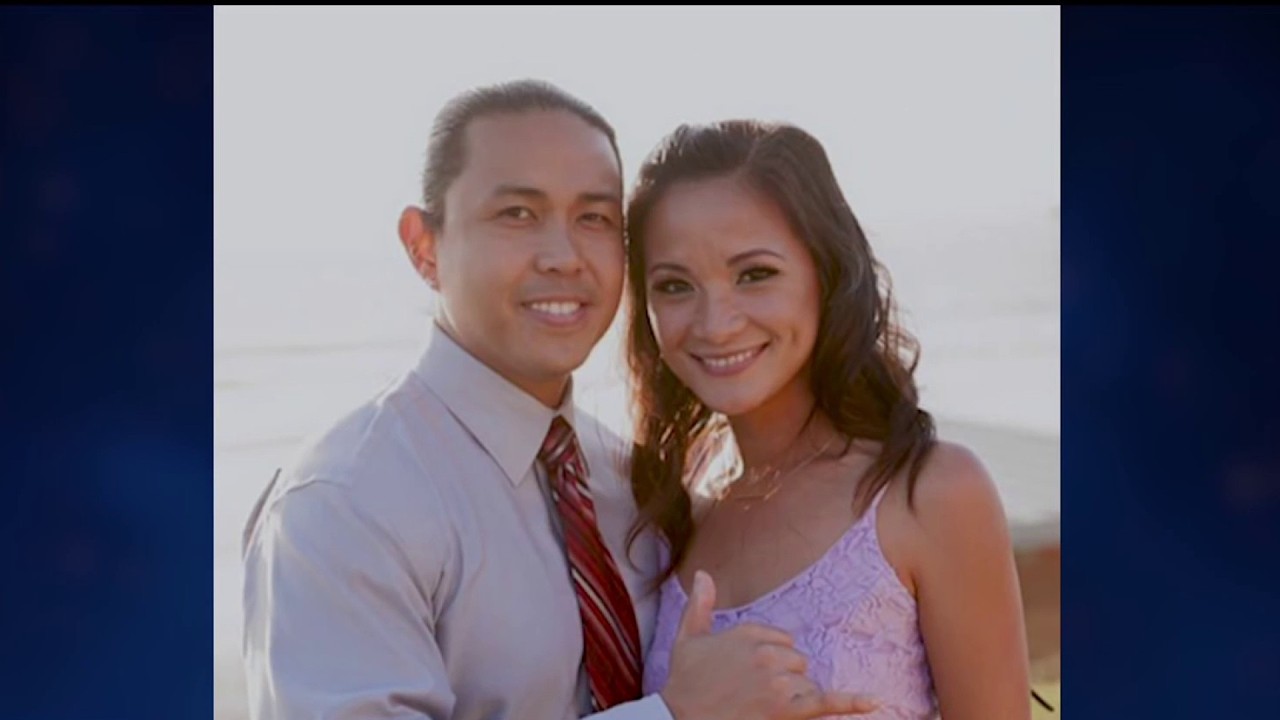
Larry Millete: Guilty of Murder — and Maya Has Never Been Found
Five years, no body, no crime scene, no weapon. On July 9, 2026, a San Diego jury needed less than five hours to call it murder anyway. The full case file.
 Trials & Verdicts
No Body, No Murder? The Myth That Keeps Losing in Court
Can you be convicted of murder without a body? Yes — and the conviction rate is higher than you'd guess. How prosecutors prove a death with no remains.
 Trials & VerdictsON TRIAL
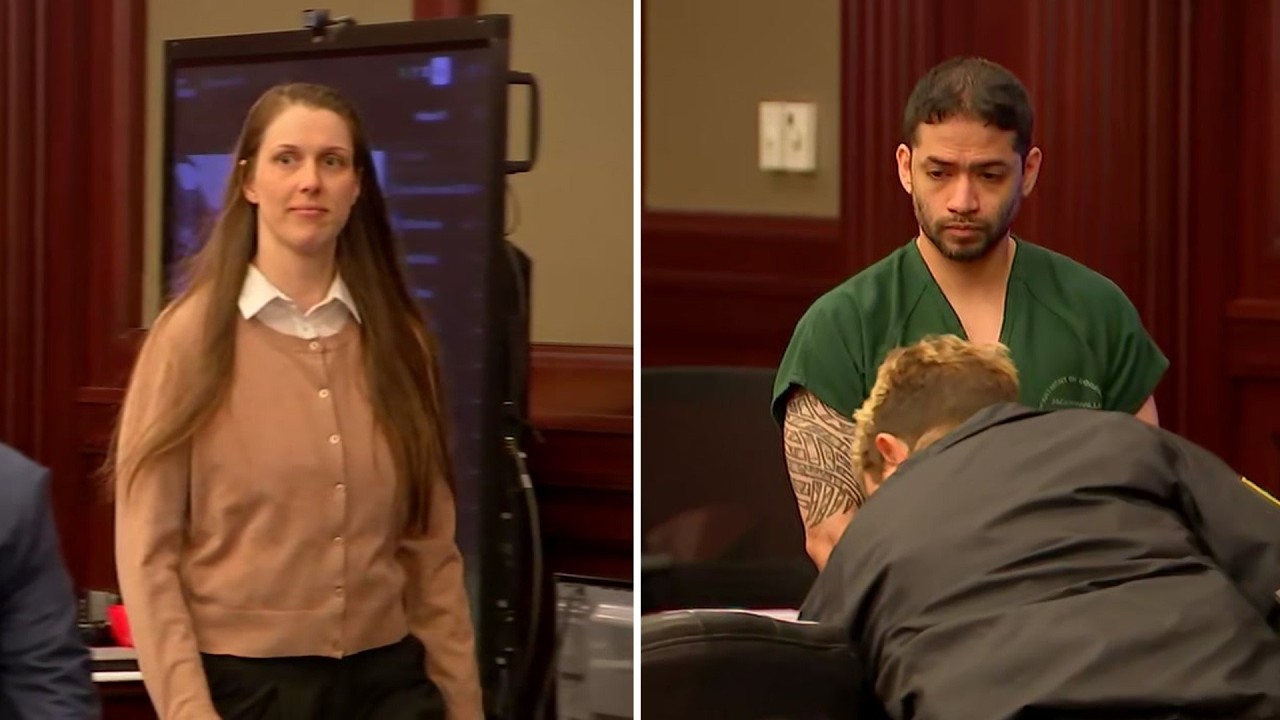
The Bridegan Murder-for-Hire Trials: Two Juries, Six Weeks, One Ambush
A Microsoft executive shot in front of his toddler, an ex-wife and her husband headed to back-to-back murder trials, and a hitman who took it all back. The full pre-trial file.