Lindsay Clancy on Trial: The Postpartum Psychosis Defense Meets a Jury
Three children dead, a mother paralyzed by her own suicide attempt, and a defense built on postpartum psychosis. The trial is underway — opening statements landed July 27, and her husband took the stand on day one. The full case file.
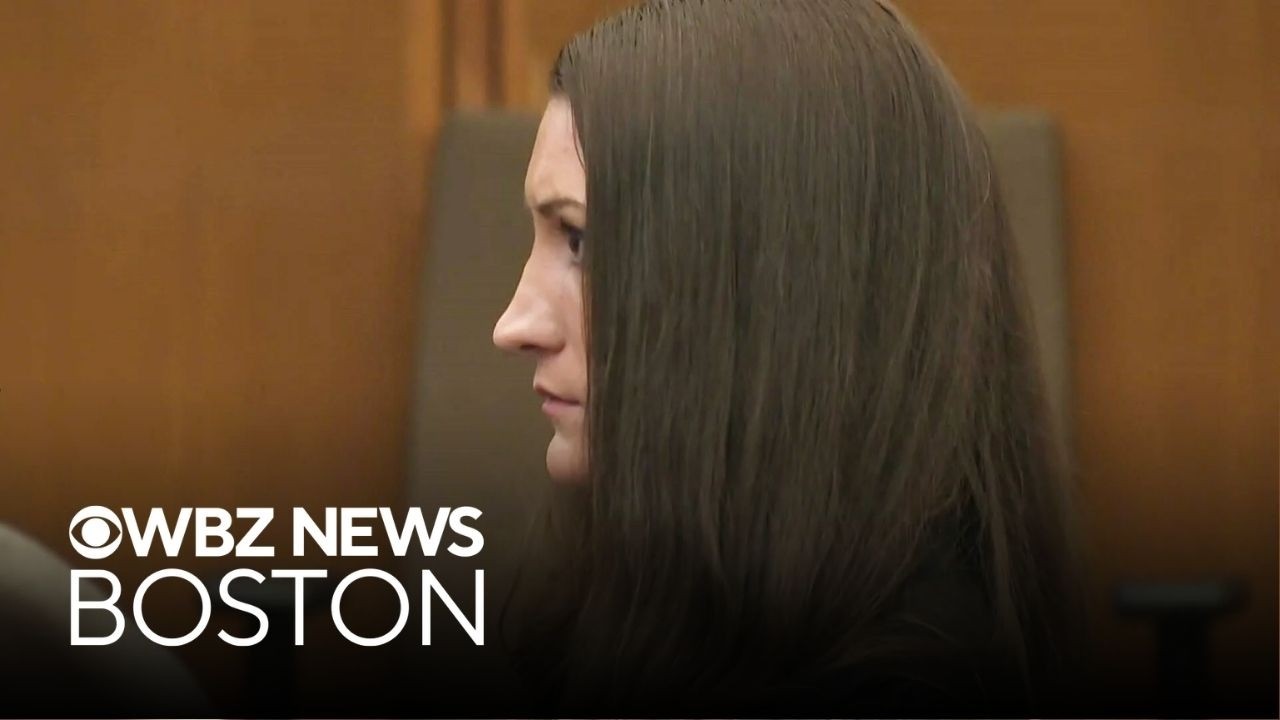
On the night of January 24, 2023, a 911 call from a house in Duxbury, Massachusetts, opened one of the most difficult criminal cases the state has ever charged. Patrick Clancy came home from a takeout run to find his three children — Cora, 5, Dawson, 3, and Callan, 8 months — unresponsive, and his wife on the ground outside, gravely injured after what investigators described as a suicide attempt from an upstairs window.
All three children died. Their mother, Lindsay Clancy, a 35-year-old labor-and-delivery nurse, survived — paralyzed from the waist down. Prosecutors charged her with three counts of first-degree murder, alleging she strangled the children with exercise bands in the roughly 25 minutes her husband was gone.
She has pleaded not guilty. On July 20, 2026, after three and a half years of continuances, psychiatric evaluations, and pretrial fights, jury selection finally began in Plymouth Superior Court — and one week later, on July 27, the trial itself began.
The trial is underway
Selection moved faster than many expected: by July 23, the full panel of 18 — twelve women and six men — was seated, screened by a questionnaire probing their own experiences with postpartum depression, anxiety, and the mental-health system.
Opening statements came Monday, July 27, and they drew the battle lines exactly where this case file said they would be. Plymouth Assistant District Attorney Shanan Buckingham opened by naming each child — Cora, Dawson, Callan — and telling jurors, "We are here, ladies and gentlemen, because they are not." The state's theory: Clancy "deliberately and meticulously" planned the killings, strangled the children with exercise bands, and was "not in the throes of psychosis" but acting "intentionally, rationally and swiftly to accomplish a very specific goal."
Defense attorney Kevin Reddington answered with the argument he has telegraphed for three years: Clancy sought help from postpartum specialists again and again, was overmedicated until depression tipped into psychosis, and was psychotic on the night she killed her children and went out the window.
Then came the witness nobody will forget: Patrick Clancy took the stand on day one — facing his wife in a courtroom for the first time since the night their three children died — and described his growing concern for the children's safety in the weeks before the killings.
His testimony carried into day two, July 29. He told jurors that earlier on the day of the killings, Lindsay built a snowman and played with the kids — "she was having one of her best days." That evening he left to pick up takeout she had ordered; around 5:15 p.m. she texted asking him to also stop at CVS for children's medicine. He came home to what he described as "blood everywhere" in the bedroom they shared. On cross-examination, defense attorney Kevin Reddington walked him through Lindsay's devoted parenting and her repeated efforts to get mental-health care — building the defense's picture of a loving mother destroyed by illness, not a killer. That the state's first major witness could serve both sides' stories is exactly what makes this trial so hard to call.
Day three, July 30, belonged to the first responders. Duxbury officers Stephen Hall and Brian Josephine described the scene: Lindsay semi-conscious on the ground in the backyard, the cuts on her wrists and neck no longer actively bleeding, and — from inside the house — Patrick's screams. Josephine told jurors he ran to the basement and heard Patrick scream that she had killed the kids. Jurors also heard the 911 call before being sent home early when the state ran out of witnesses for the day. A jury view of the former Clancy home in Duxbury was scheduled for Friday, July 31 — the panel walking the house where all of it happened.
The allegation — and what isn't disputed
The physical facts of that night are largely not in question. What the trial will decide is the only question that matters legally: her state of mind.
Prosecutor Jennifer Sprague will present the state's account: that Clancy sent her husband on errands deliberately timed to give herself a window, that the manner of the children's deaths required sustained intention, and that her internet history and communications show planning — the hallmarks of premeditation that first-degree murder requires.
The defense does not claim she wasn't there. It claims she wasn't her.
The defense: postpartum psychosis
Defense attorney Kevin Reddington has signaled the strategy from the earliest hearings: Clancy, he argues, was in the grip of postpartum mental illness so severe it produced auditory hallucinations — voices telling her to kill the children and herself — compounded by what he describes as a cascade of psychiatric medications prescribed in the months after Callan's birth. In his telling, she was overmedicated, misdiagnosed, and criminally not responsible.
Massachusetts law frames the question this way: did she have a mental disease or defect that made her unable to appreciate the wrongfulness of her conduct, or to conform her conduct to the law? If the jury says yes, the verdict is not guilty by reason of lack of criminal responsibility — which generally means indefinite commitment to a secure psychiatric facility, not freedom. We've written a full explainer on how the insanity defense actually works — and how rarely it does, including the Andrea Yates case that is this trial's closest historical template.
Postpartum psychosis is rare — estimated at 1 to 2 cases per 1,000 births — but it is the most severe condition on the postpartum spectrum, and it has been at the center of the most infamous cases of this kind, including Andrea Yates, whose 2001 conviction was overturned and replaced with an insanity verdict on retrial.
The pretrial fights: what the jury will and won't hear
The July 13, 2026 final pretrial hearing — held exactly one week before jury selection — went mostly the prosecution's way:
- No lay postpartum witnesses. Judge William Sullivan rejected the defense's bid to call other women to testify about their own experiences with postpartum mental illness. Expert witnesses, he ruled, are enough to educate the jury.
- 18 jurors. Anticipating a long, emotionally punishing trial, the court will seat 12 deliberating jurors plus 6 alternates.
- A 200-name witness list. Prospective jurors will be screened against it, along with a questionnaire probing their own experiences with mental illness and mental-health treatment — questions the defense flagged and the judge agreed to review.
- Four to six weeks. That's the attorneys' estimate for the trial itself, putting a verdict on track for late August or September 2026.
Earlier hearings settled other battles, including arguments over whether jurors would hear Patrick Clancy's 911 call — audio one attorney described in court as "horrific."
The husband
One of the case's most striking facts: Patrick Clancy has publicly forgiven his wife. In a statement weeks after the killings, he asked people to forgive her as he had, writing that the woman in that house that night was not the wife he knew. That is what made his day-one testimony so charged: the state's first major witness is a man who lost all three of his children and has still said he forgives the defendant. How the jury weighs a victim who won't condemn her may matter as much as any expert on the stand.
Why this case file matters
Most trials this channel covers turn on what a camera recorded. This one turns on something no camera can record: what was happening inside a person's mind. There is no bodycam of a hallucination. The evidence will be medical records, prescription histories, expert testimony — and a jury of eighteen ordinary people will be asked to draw the line between evil and illness.
However the verdict lands, it will become the reference point for how American courts treat maternal mental illness for a generation.
Watch this page. Testimony began July 27 and is expected to run four to six weeks; we'll update this case file as the trial develops and when the verdict comes in.
Case status as of this writing: charged with three counts of first-degree murder; pleaded not guilty; on trial — jury seated July 23, 2026, opening statements and first testimony July 27, 2026. Lindsay Clancy is presumed innocent unless and until proven guilty. This article is based on court proceedings, public records, and contemporaneous reporting. Photo: pool-feed frame of Clancy at a pretrial hearing, Plymouth Superior Court.
Reported to our editorial standards: records first, charges reported as charges, corrections welcomed.
Frequently asked questions
Has the Lindsay Clancy trial started?+
Yes. Jury selection began July 20, 2026, in Plymouth Superior Court before Judge William Sullivan, and a panel of 18 jurors — 12 women and 6 men, with 6 to be designated alternates — was seated within the week. Opening statements were delivered Monday, July 27, and testimony began the same day. Attorneys estimate the trial will run four to six weeks.
What happened to Lindsay Clancy?+
Prosecutors allege that on January 24, 2023, Clancy, a labor-and-delivery nurse from Duxbury, Massachusetts, strangled her three children — Cora, 5, Dawson, 3, and Callan, 8 months — while her husband was out running errands, then attempted suicide by jumping from a window of the family home. She has pleaded not guilty to three counts of first-degree murder.
What is Lindsay Clancy's defense?+
Her attorney, Kevin Reddington, is mounting an insanity defense — that Clancy was suffering from postpartum mental illness, was overmedicated, and experienced auditory hallucinations, and therefore cannot be held criminally responsible. If jurors accept it, the verdict would be not guilty by reason of insanity, which in Massachusetts typically means commitment to a secure psychiatric facility rather than release.
Is Lindsay Clancy paralyzed?+
Yes. According to her attorneys and court filings, Clancy was paralyzed from the waist down as a result of her suicide attempt on the night of the killings and uses a wheelchair. She has been held at a state psychiatric hospital rather than a jail while awaiting trial.
What happened at the final pretrial hearing?+
At the July 13, 2026 hearing, Judge Sullivan dealt the defense a setback: he barred other women from testifying about their own experiences with postpartum mental illness, ruling that expert witnesses would be sufficient to educate the jury. He also reviewed a juror questionnaire that asks about personal experiences with mental illness, and confirmed prospective jurors will screen against a witness list of roughly 200 names.
What verdict could the jury reach?+
The realistic outcomes are guilty of first-degree murder (life without parole in Massachusetts), guilty of a lesser degree, or not guilty by reason of lack of criminal responsibility — the insanity verdict the defense is seeking. No verdict has been reached; this page will be updated when one comes in.
Stay On The Case
Get the next case file first
One email when a new case drops — footage, records, and the full breakdown.
Subscribe on YouTubeRelated case files
 Trials & Verdicts
The Insanity Defense, Explained: What 'Not Guilty by Reason of Insanity' Actually Means
The Clancy jury will be asked the hardest question in criminal law: not what she did, but whether she could be responsible for it. How the insanity defense really works — and how rarely it does.
 Trials & VerdictsON TRIAL
Luigi Mangione's Two Trials: Why One Killing Gets a State Case and a Federal Case
A state murder trial in September. A federal stalking trial in January. How one Manhattan killing became two prosecutions — the charges, the dates, and what each one carries.
 Trials & VerdictsON TRIAL
Sarah Grace Patrick: The TikTok Griever Now Facing a Double-Murder Jury
She posted grief videos, gave the eulogy, and begged the internet to find her parents' killer. Then Georgia charged her with the murders. The trial, previewed.