The Crash on Netflix: The True Story, What the Documentary Leaves Out, and What's Happened Since
Netflix's The Crash gave Mackenzie Shirilla her first interview since a judge called her 100-mph crash murder. Here's the full true story behind the documentary — and everything that's happened in the case since the cameras stopped.
If you just finished The Crash on Netflix and came here asking whether it's real: yes — every frame of it. The crash happened on July 31, 2022, on an access road in Strongsville, Ohio. The two young men who died — Dominic Russo, 20, and Davion Flanagan, 19 — were real, and so is the woman serving life for their deaths.
But a 94-minute documentary is an argument, not a record. Here's the full story the film is built on, the parts it compresses — and everything that has happened in the case since the credits rolled, because this case is not over.
The true story, in brief
In the early morning of July 31, 2022, 17-year-old Mackenzie Shirilla drove her Toyota Camry off the road, across a parking lot, and into the brick wall of an industrial building at roughly 100 mph. Russo — her boyfriend, in a relationship prosecutors described as volatile — and Flanagan, along for the ride, were killed. Shirilla survived.
What turned a traffic tragedy into a murder case was the car itself. The Camry's event data recorder preserved the last seconds: throttle held at 100%, no braking, ever — and surveillance video showed the car accelerating in a smooth, uncorrected line into the wall. At an August 2023 bench trial, the judge called it purpose, not recklessness: guilty on 12 felony counts including murder, and a sentence of life with parole eligibility after 15 years.
Our full Mackenzie Shirilla case file walks through the evidence in detail — the data, the video, the messages, and the defense's answer to all of it.
What the documentary adds — and leaves out
The film's centerpiece is access: Shirilla's first interview since her conviction, recorded from prison. That is genuinely new — she did not testify at trial, so the documentary is the first time the public has heard her account in her own voice.
What a viewer should keep in mind:
- The interview is not evidence. Nothing said to a documentary camera was under oath or subject to cross-examination. The trial record — the black-box data, the video, the testimony — is what a court found proved intent.
- The victims' families lived this in real time. Two families lost sons; one of the enduring criticisms of true-crime documentaries built around a convicted subject is how much screen time the convicted get relative to the people they were convicted of killing. Russo and Flanagan are the reason this file exists.
- The film freezes the case in spring 2026. The legal story kept moving the day it premiered.
What's happened since the credits
- The Ohio Supreme Court decision is pending. Shirilla's direct appeals failed. Her attorneys have asked the state's highest court for discretionary review, arguing her trial lawyers never investigated whether POTS — a fainting condition — could have caused her to lose consciousness before impact. The court accepts only a small fraction of such requests; if it declines, the conviction is effectively final, leaving only long-shot post-conviction routes.
- Prison records surfaced. Records released in 2026 documented a series of disciplinary violations during her incarceration at the Ohio Reformatory for Women in Marysville — details that postdate the documentary's prison-interview framing.
- The clock on parole hasn't meaningfully started. Her first parole hearing is not expected until September 2037, fifteen years into the sentence.
We track the Ohio Supreme Court's decision alongside every other pending case date on our court dates tracker; this page and the main case file will be updated the day the court rules.
Why this case file matters
The Crash is what happens when a case built on machine evidence meets a medium built on human narrative. The black box says one thing, without emotion and without a motive; a prison interview says another, with both. Watching the documentary without the trial record is hearing only the second voice. Read the record, then decide what you think the data recorder was telling that judge — because on the road outside a Strongsville industrial building, it's the only witness that was never confused, never grieving, and never interviewed.
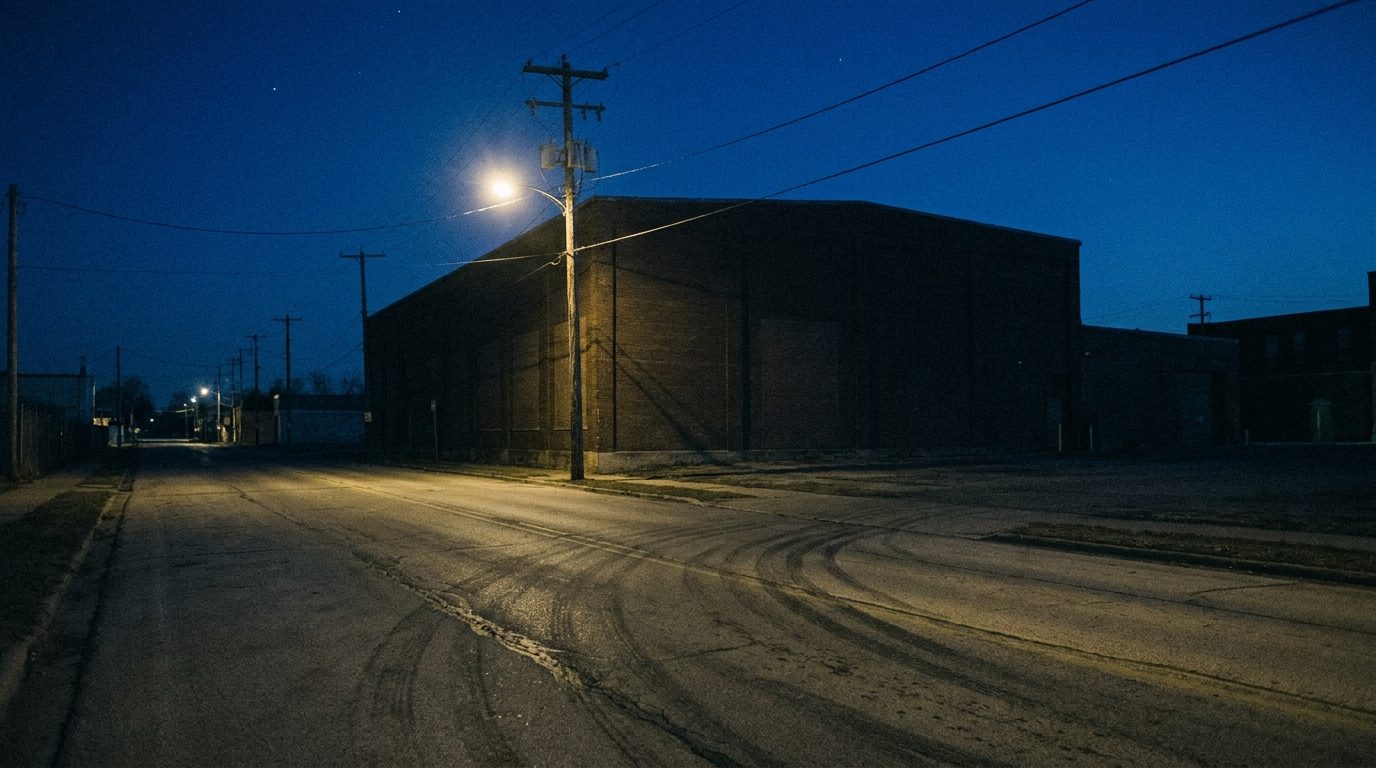
Case status as of this writing: convicted of murder and related counts in August 2023; sentenced to life with parole eligibility after 15 years; a request for discretionary review is pending before the Ohio Supreme Court. This article is based on the trial record, court filings, and contemporaneous reporting, alongside Netflix's The Crash (May 15, 2026). Photo: illustration of a night road and industrial building — not a news photograph or a still from the film.
Reported to our editorial standards: records first, charges reported as charges, corrections welcomed.
Frequently asked questions
Is The Crash on Netflix a true story?+
Yes. The Crash (Netflix, May 15, 2026, directed by Gareth Johnson) is a documentary about a real case: in July 2022, 17-year-old Mackenzie Shirilla drove her Toyota Camry at roughly 100 mph into a brick building in Strongsville, Ohio, killing her boyfriend Dominic Russo, 20, and their friend Davion Flanagan, 19. An Ohio judge found the crash intentional and convicted her of murder in 2023.
What is Mackenzie Shirilla's sentence?+
After an August 2023 bench trial she was convicted on 12 felony counts, including murder, and sentenced to life in prison with parole eligibility after 15 years. She is serving the sentence at the Ohio Reformatory for Women in Marysville, with her first parole hearing not expected until September 2037.
What has happened in the case since The Crash was released?+
Her direct appeals have failed, and as of 2026 her attorneys have asked the Ohio Supreme Court to accept a discretionary review, arguing trial counsel failed to investigate whether POTS, a fainting condition, could have caused her to lose consciousness before impact. The court has not yet decided whether to take the case. Prison records released in 2026 also documented disciplinary violations during her incarceration.
Does Mackenzie Shirilla appear in The Crash documentary?+
Yes — the film features her first interview since her conviction, recorded from prison, alongside coverage of the case and its aftermath.
How did prosecutors prove the crash wasn't an accident?+
The Camry's event data recorder showed the accelerator at 100% with no braking before impact, and surveillance video showed the car accelerating smoothly into the wall without swerving or correcting. The judge cited that combination as proof of purpose rather than recklessness.
Stay On The Case
Get the next case file first
One email when a new case drops — footage, records, and the full breakdown.
Subscribe on YouTubeRelated case files
 Trials & VerdictsVERDICT: GUILTY
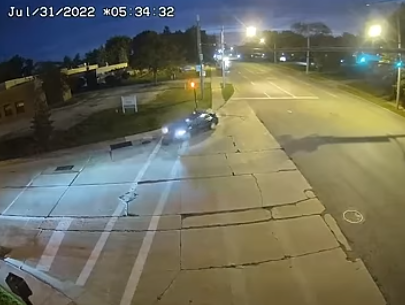
Mackenzie Shirilla: The 100-MPH Crash a Judge Called Murder
A 17-year-old, a Toyota Camry at full throttle, and two young men dead against a brick wall. Accident or murder? The data recorder answered — the full case file.
 Case FilesTRIAL: SEPT 8, 2026
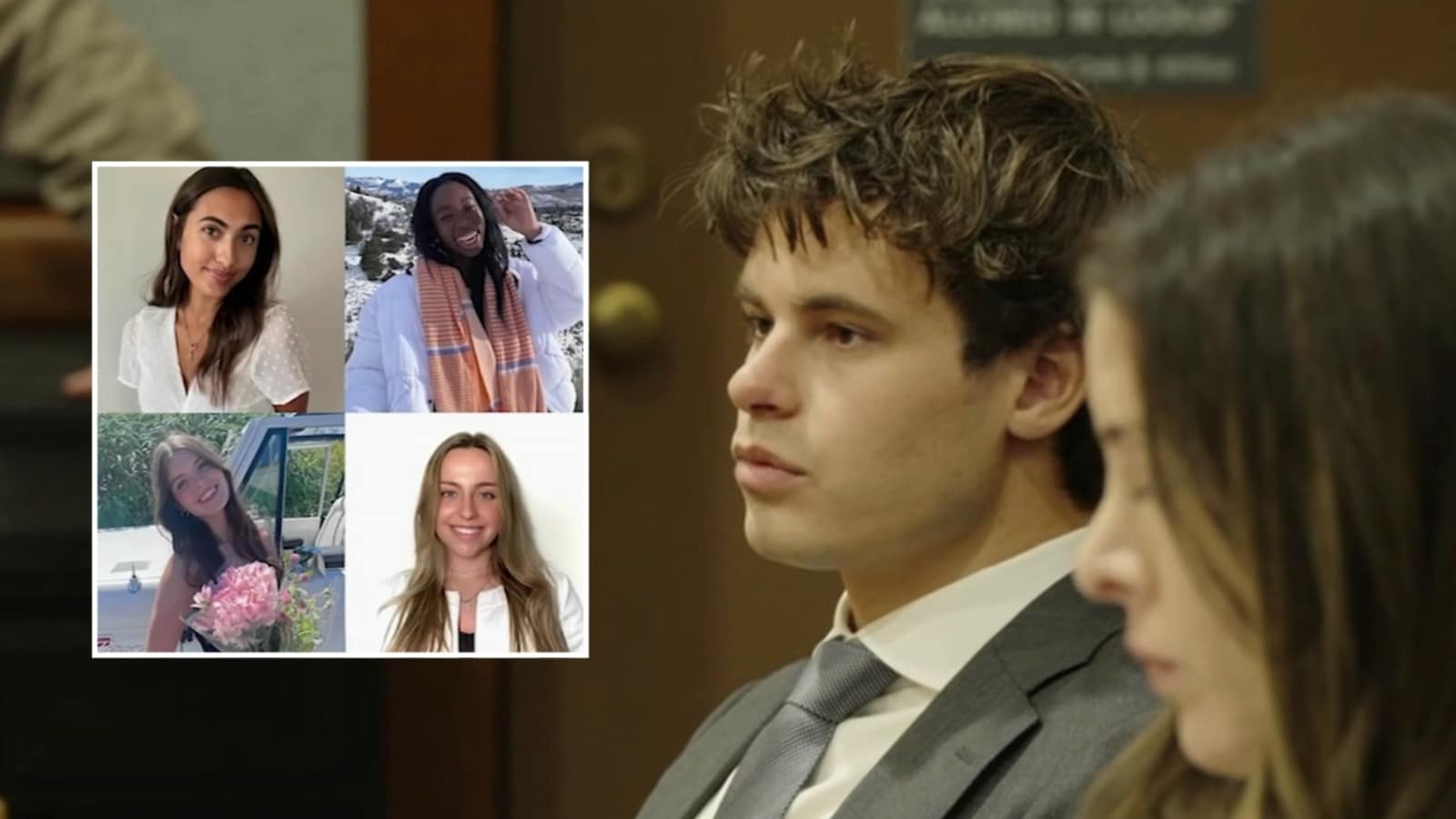
Fraser Bohm: 104 MPH on Dead Man's Curve — and Why It's Charged as Murder
Four Pepperdine sorority sisters killed on the PCH. No gun, no knife — a BMW at 104 mph. A judge just refused to dismiss the murder charges. The September trial, previewed.
 Case FilesVERDICT: GUILTY
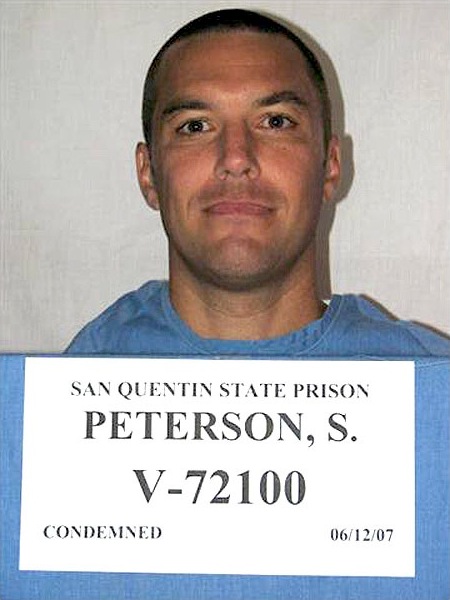
Scott Peterson: What the 'New Evidence' Actually Is — and What It's Up Against
Fetal biometrics, tidal data, a capsizing boat the jury never saw. A&E's new documentary claims fresh evidence in the Laci Peterson case — here's what it is, and what a court just said about it.