Fraser Bohm: 104 MPH on Dead Man's Curve — and Why It's Charged as Murder
Four Pepperdine sorority sisters killed on the PCH. No gun, no knife — a BMW at 104 mph. A judge just refused to dismiss the murder charges. The September trial, previewed.
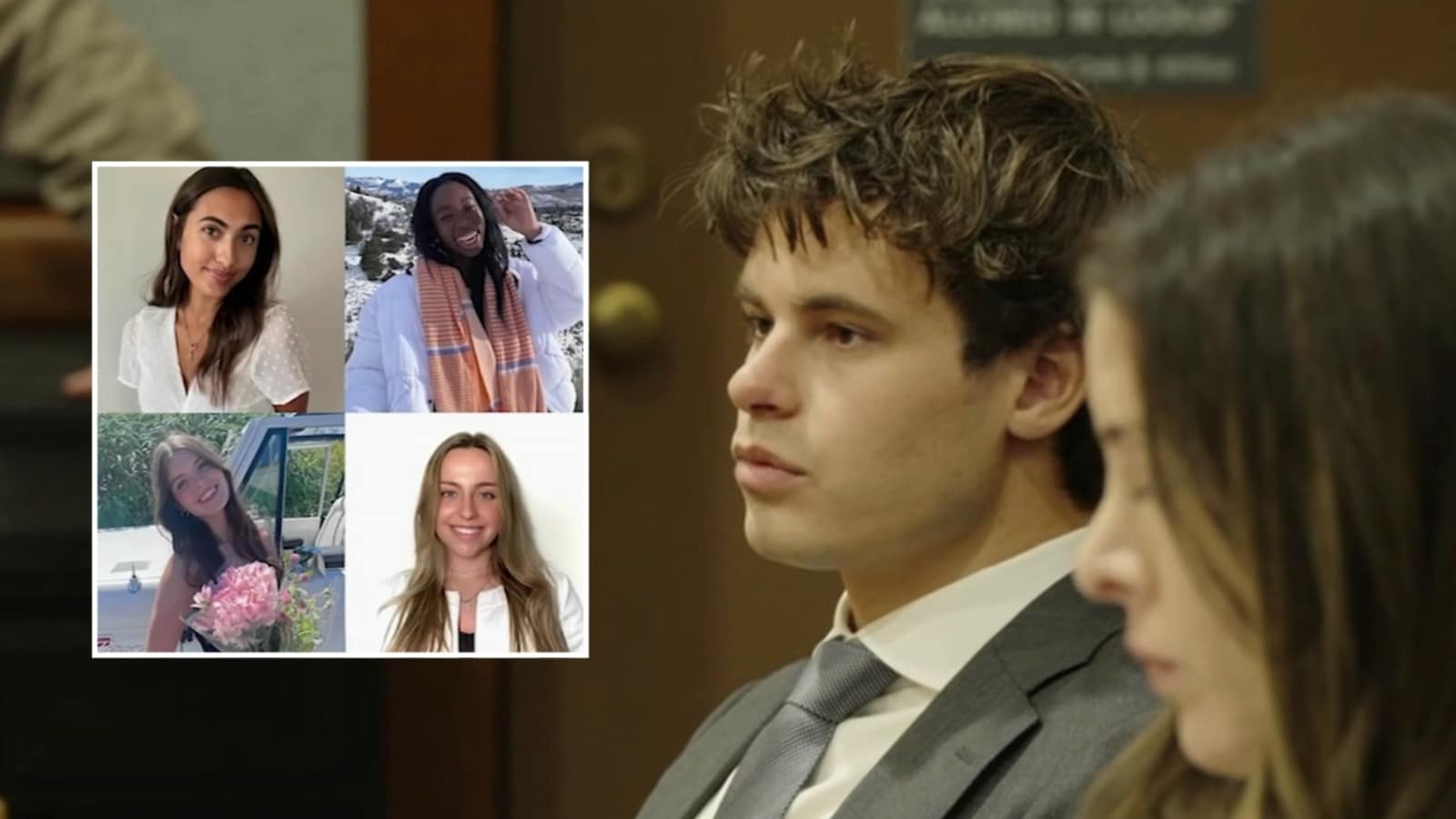
There was no weapon in the ordinary sense. On the night of October 17, 2023, the instrument was a BMW on the Pacific Coast Highway in Malibu, on the stretch locals have called "Dead Man's Curve" for decades.
Four young women were standing near parked cars at the roadside: Niamh Rolston, 20. Peyton Stewart, 21. Asha Weir, 21. Deslyn Williams, 21. All seniors at Pepperdine University. All sisters in the Alpha Phi sorority. The car that lost control, hit parked vehicles, and struck them was allegedly traveling at about 104 miles per hour — in a 45 zone.
The driver, Fraser Michael Bohm, then 22, wasn't drunk, prosecutors concede, and no one claims he wanted anyone to die. He is charged with four counts of murder anyway. On July 27, 2026, a judge refused to throw those charges out — and on September 8, 2026, a jury will decide if he's guilty of them.
He has pleaded not guilty and is presumed innocent unless proven guilty.
Murder without intent: the implied-malice theory
The reflexive reaction to this case — how is a crash "murder"? — is exactly the legal question the trial will test.
California allows a murder charge for a killing without intent to kill under implied malice: the state must prove the defendant knew the conduct endangered human life and consciously disregarded that danger. In the driving context these are often called "Watson murders," after the case that established the doctrine.
That's why the numbers and the road matter so much:
- The speed. Airbag and stability-control records recovered from the BMW indicated the car accelerated toward roughly 104 mph before the crash.
- The road. This stretch of the PCH is one of the most notorious in California — a corridor with a documented history of fatal crashes, in a 45-mph zone lined with parked cars and pedestrians.
The prosecution's argument, distilled: nobody drives triple digits through Dead Man's Curve without understanding it can kill. That understanding, plus doing it anyway, is the malice.
The defense has contested that story from the start — including asserting that Bohm was fleeing a road-rage confrontation in the moments before the crash — and, more fundamentally, that recklessness on a road is manslaughter territory, not murder. The four counts of vehicular manslaughter with gross negligence filed alongside the murder counts give the jury exactly that off-ramp.
The dismissal fight: "the prosecution hid evidence"
The case nearly detoured before trial. Bohm's defense moved to dismiss the murder charges, telling the court the prosecution had withheld evidence favorable to him. Prosecutors disputed it.
On July 27, 2026, the judge came down with the answer: motion denied. The murder charges stand. Pretrial motions will be heard September 2, and trial begins September 8 — the same week Luigi Mangione's state trial opens in New York, in what's shaping up to be the busiest true-crime month of the year. Both are on our court dates tracker.
What the trial will decide
- Malice or negligence? The entire distance between a murder conviction (15 years to life per count) and gross-negligence manslaughter lives in one question: did he know and disregard the danger, or was he just catastrophically careless?
- The data. Expect the airbag and stability-control download to be the trial's centerpiece exhibit — the closest thing this case has to a recording of the crime.
- The road's history. Prosecutors will lean on the notoriety of this stretch of the PCH; the defense will fight to keep the case about one driver's state of mind, not the road's reputation.
For readers keeping score on terminology as this one unfolds, our explainer on what "charged" vs. "convicted" actually means applies here in full: Bohm is accused, not convicted, and the state carries the burden on every element.
Why this case file matters
Courts have long struggled with where extreme driving stops being an accident and starts being a choice about other people's lives. We covered the same fault line in the Mackenzie Shirilla case, where an Ohio judge found a 17-year-old's 100-mph crash was murder. People v. Bohm will put the question to a Los Angeles County jury with four families watching — and the verdict will shape how aggressively California charges catastrophic speed on its deadliest road.
Sources & records
- ABC7 Los Angeles: judge denies motion to dismiss, trial date set
- Court TV: ruling on the defense's dismissal motion
- Law&Crime: the implied-malice ruling and vehicle data
- NBC News: the original murder charges
Case status as of this writing: charged with four counts of murder and four counts of vehicular manslaughter with gross negligence; pleaded not guilty; presumed innocent unless and until proven guilty. Motion to dismiss denied July 27, 2026; pretrial motions September 2; trial set for September 8, 2026, in Los Angeles County. This article is based on court proceedings and contemporaneous reporting. Photo: courtroom frame with insets of the four victims, from pool coverage of the Los Angeles County proceedings.
Reported to our editorial standards: records first, charges reported as charges, corrections welcomed.
Frequently asked questions
What is Fraser Bohm charged with?+
Fraser Michael Bohm, 24, is charged with four counts of murder and four counts of vehicular manslaughter with gross negligence for the October 17, 2023 crash on the Pacific Coast Highway in Malibu that killed four Pepperdine University seniors. He has pleaded not guilty to all counts and is presumed innocent unless proven guilty at trial.
When does the Fraser Bohm trial start?+
Trial is set for September 8, 2026, with pretrial motions scheduled to be heard September 2. On July 27, 2026, the judge denied a defense motion to dismiss the murder charges, clearing the way for trial.
Who were the victims of the Malibu PCH crash?+
Niamh Rolston, 20, Peyton Stewart, 21, Asha Weir, 21, and Deslyn Williams, 21 — all Pepperdine University seniors and members of the Alpha Phi sorority. They were standing near parked cars along the Pacific Coast Highway when they were struck and killed.
How can a car crash be charged as murder in California?+
Through a doctrine called implied malice, sometimes known as a 'Watson murder.' Prosecutors don't have to prove the driver intended to kill — they must prove the driver knew the conduct was dangerous to human life and consciously disregarded that danger. Extreme speed on a road known for fatalities is the kind of evidence prosecutors use to argue that awareness.
How fast was Fraser Bohm allegedly driving?+
Prosecutors allege his BMW reached about 104 mph in a 45-mph zone before he lost control. Airbag and stability-control data recovered from the car indicated the vehicle accelerated toward roughly 104 mph — a core piece of the state's implied-malice theory.
What is Dead Man's Curve on the PCH?+
It's the local name for a notoriously dangerous stretch of the Pacific Coast Highway through Malibu near Pepperdine's campus, with a long documented history of serious and fatal crashes. The road's reputation matters legally: prosecutors argue anyone driving it at extreme speed understood the lethal risk.
Stay On The Case
Get the next case file first
One email when a new case drops — footage, records, and the full breakdown.
Subscribe on YouTubeRelated case files
 Trials & VerdictsVERDICT: GUILTY
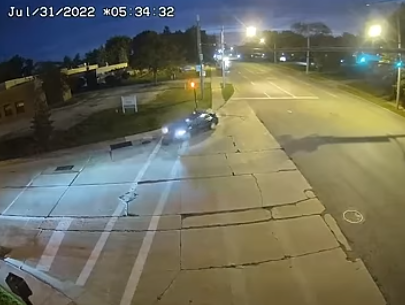
Mackenzie Shirilla: The 100-MPH Crash a Judge Called Murder
A 17-year-old, a Toyota Camry at full throttle, and two young men dead against a brick wall. Accident or murder? The data recorder answered — the full case file.
 Case FilesVERDICT: GUILTY
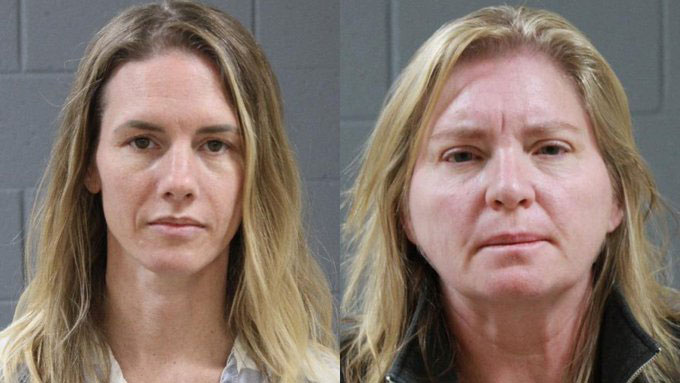
Jodi Hildebrandt: Where the 'Evil Influencer' Counselor Is Now
She was the therapist behind the Ruby Franke case — the counselor whose 'distorted thinking' doctrine ended in a child-abuse conviction. Where Jodi Hildebrandt is now, and when the parole board sees her.
 Missing PersonsON TRIAL
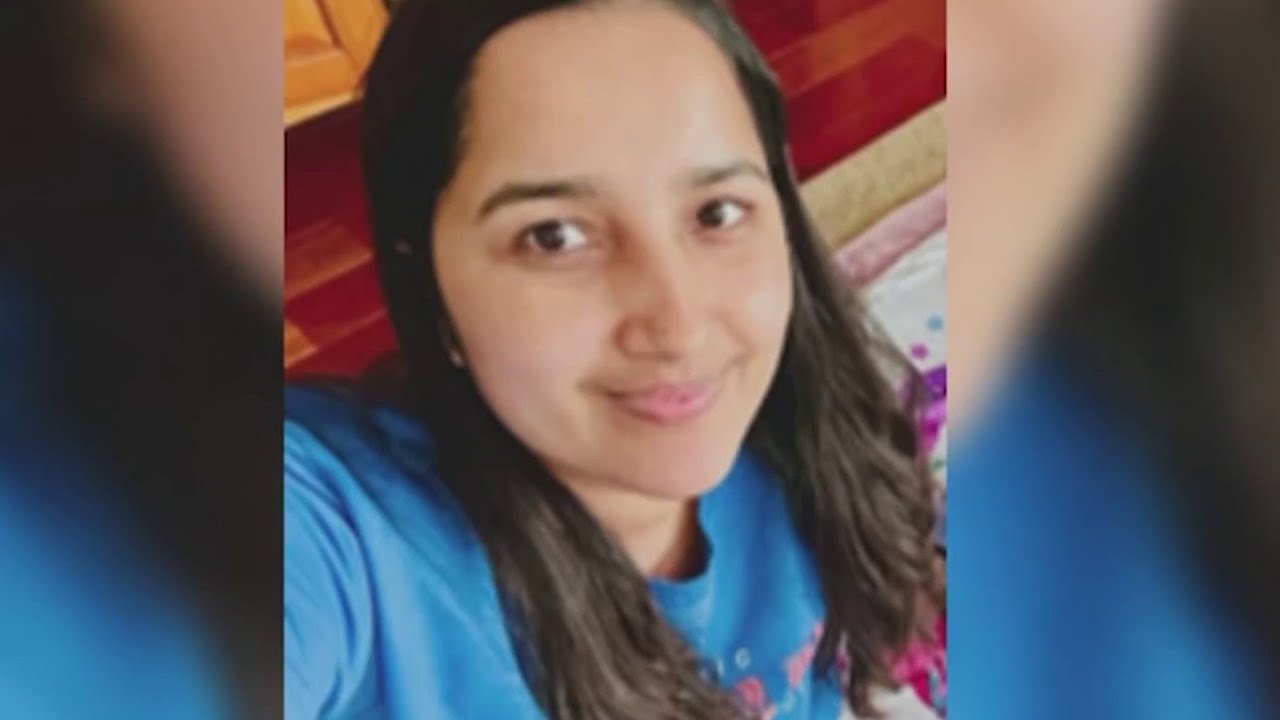
Mamta Kafle Bhatt: The No-Body Murder Trial Coming in October
A nurse vanishes, her husband waits eight days to report it, and forensic testing finds her possible DNA on a power saw. The case against Naresh Bhatt — the full file.